
Paper consents slow down check-in, create messy chart gaps, and make it harder to prove what a client agreed to. The right med spa consent forms software fixes that by sending treatment-specific forms before the appointment, capturing a clean e-signature, and storing everything where your team can find it fast.
Below is a best-of list with screenshots, plus a practical framework for choosing the best fit for your med spa.
Quick picks for med spa consent forms software
| Pick | Best for | Why it stands out |
|---|---|---|
| QuantumByte | Teams that need a custom consent workflow | Build your exact intake and consent flow, then connect it to your systems. Best when off-the-shelf tools feel "almost right". |
| Aesthetic Record | Injectors and aesthetics-first workflows | Built around aesthetics operations, not generic scheduling. |
| Symplast | Clinics that want EHR-style rigor | Strong "medical practice" posture for documentation and patient records. |
| Boulevard | Premium client experience | Strong front-desk and client journey focus for med spas and spas. |
| Zenoti | Multi-location operations | Enterprise-grade platform for scale, reporting, and standardization. |
| Jotform | Fast HIPAA-grade forms without changing your stack | Flexible form builder when you already love your booking system. |
What med spa consent forms software needs to do
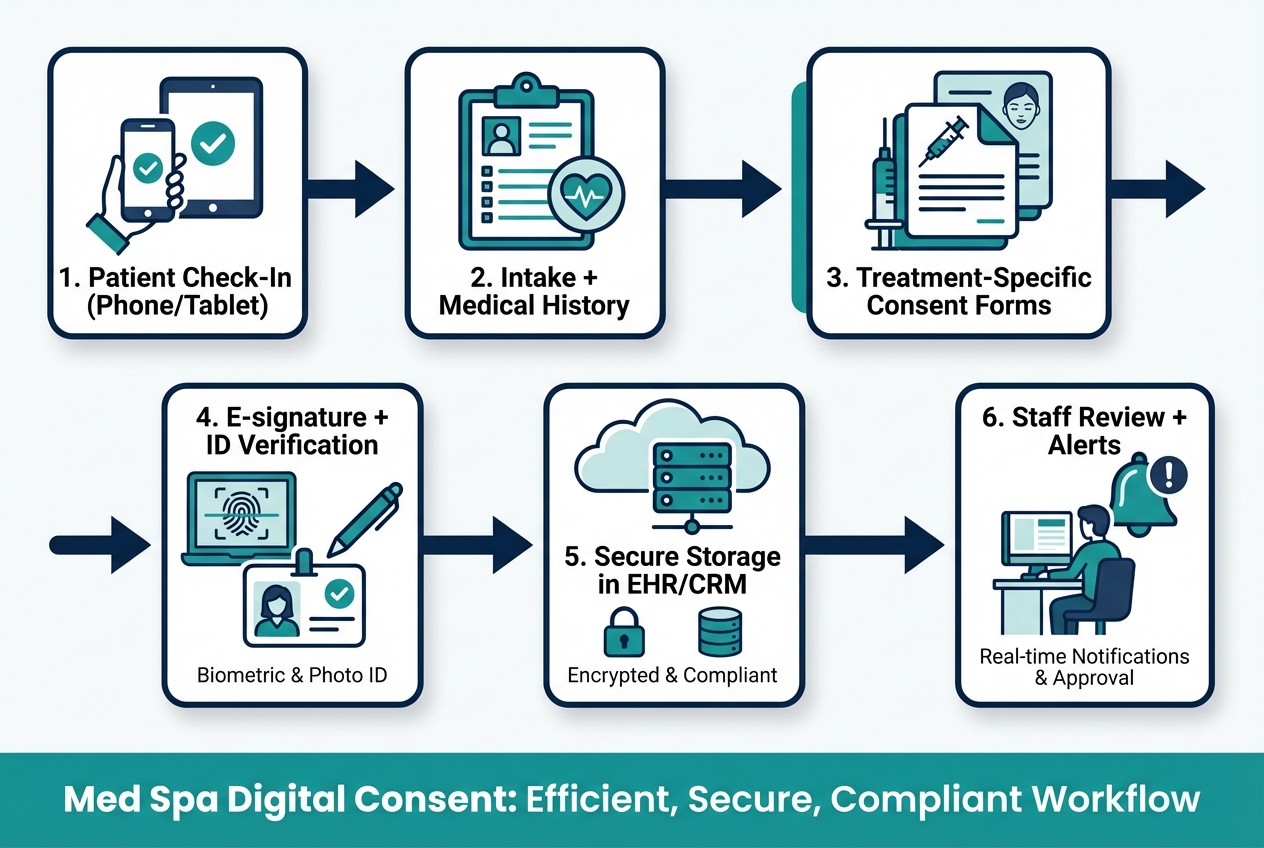
Consent forms are not just "a PDF with a signature." In a med spa, they are part medical documentation, part risk management, and part client experience.
Here is what to treat as non-negotiable.
-
Treatment-specific templates: You need different consent language for injectables, laser, microneedling, body contouring, and add-ons. A single generic waiver is a liability magnet.
-
Mobile-first completion: Most clients will complete forms on a phone. If the form is clunky, they will abandon it and you will end up back on paper.
-
E-signatures: At a minimum, capture who signed, what they signed, and when they signed it. Electronic signatures are broadly recognized under the Electronic Signatures in Global and National Commerce Act (ESIGN Act), but your system still needs clean records.
-
HIPAA-aligned handling for intake data: If your forms include health history, medications, contraindications, or photos, you are dealing with Protected Health Information (PHI). Your process should align with the HIPAA Privacy Rule and your storage and access controls should align with the HIPAA Security Rule.
-
Staff review and "red flag" workflows: Great forms do not just collect info, they route it. Example: "Isotretinoin use" or "history of keloids" should trigger a visible alert before treatment.
-
Easy retrieval and versioning: You must be able to pull the exact version the client signed. If you update language, keep prior versions.
-
Integration points: The best setup connects intake and consent to your Electronic Health Record (EHR), Customer Relationship Management (CRM), scheduling, and payments so your team is not copy-pasting between systems.
Informed consent is fundamentally a communication and documentation process, not a checkbox. The American Medical Association's guidance on informed consent is a solid standard for what your workflow should support.
Best med spa consent forms software
1) QuantumByte
If you have ever said "we need consent forms, but also..." this is the best route.
QuantumByte gives you an AI-powered builder, plus an expert development agency that can harden the workflow when you hit real-world edge cases. That blend matters when your consent process is tightly tied to operations, your compliance posture is strict, or you are tired of bending your clinic around someone else's limitations.
Why it is the best overall pick for many growth-minded med spas:
-
Build your exact flow: Create treatment-specific consent packets, branching logic, and staff review steps that match how your clinic actually runs.
-
Connect to your existing tools: Instead of replacing everything, you can create a consent layer that integrates with your scheduling, CRM, and record-keeping.
-
Move fast: The whole point is turning chaos into a system quickly. QuantumByte is built for shipping working software in days, not months.
This is the right choice when you want consent forms to become a real operating system, not a form drawer.
If you want to prototype a consent and intake portal quickly, start with the QuantumByte platform to map your workflow before you commit to a long implementation.
We covered custom business software development and workflow automation software in depth if you want a deeper comparison.
2) Zenoti
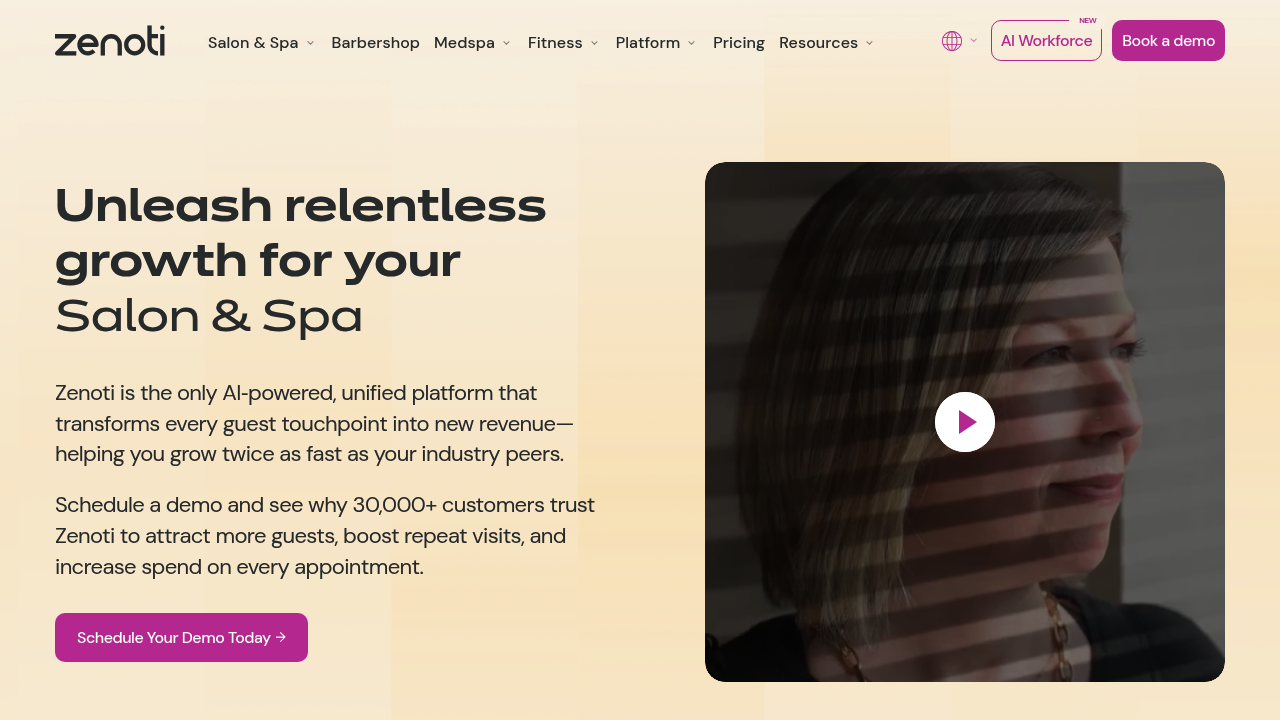
Zenoti is a strong pick for multi-location med spas that want standardization. It is built for complex operations, reporting, and scaling consistent client experiences.
Choose Zenoti when:
-
You are multi-site or expanding: You need centralized reporting, templates, and policy consistency.
-
You want a unified platform: Fewer tools, fewer handoffs.
3) Boulevard
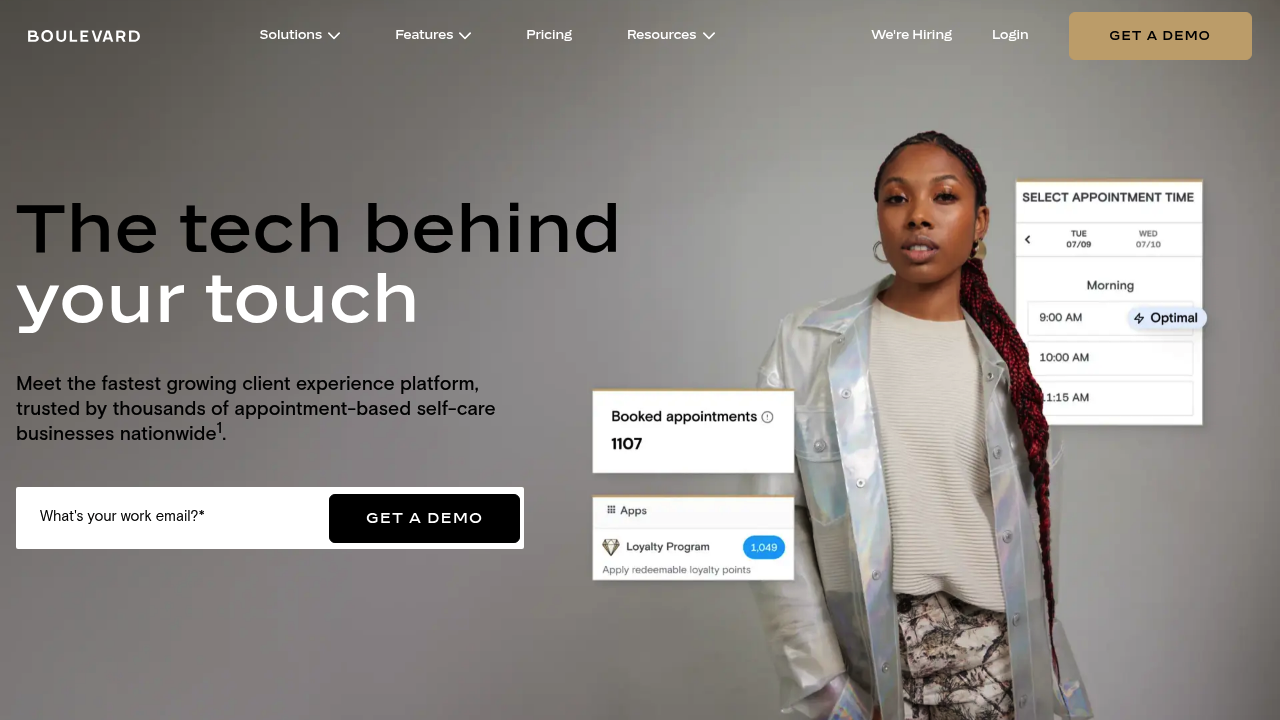
Boulevard is a client-experience-first platform that is popular with premium service brands, including many med spas.
Why it makes the list:
-
Client journey polish: Booking, reminders, and intake feel modern.
-
Front-desk efficiency: Designed to reduce check-in friction.
4) Mangomint
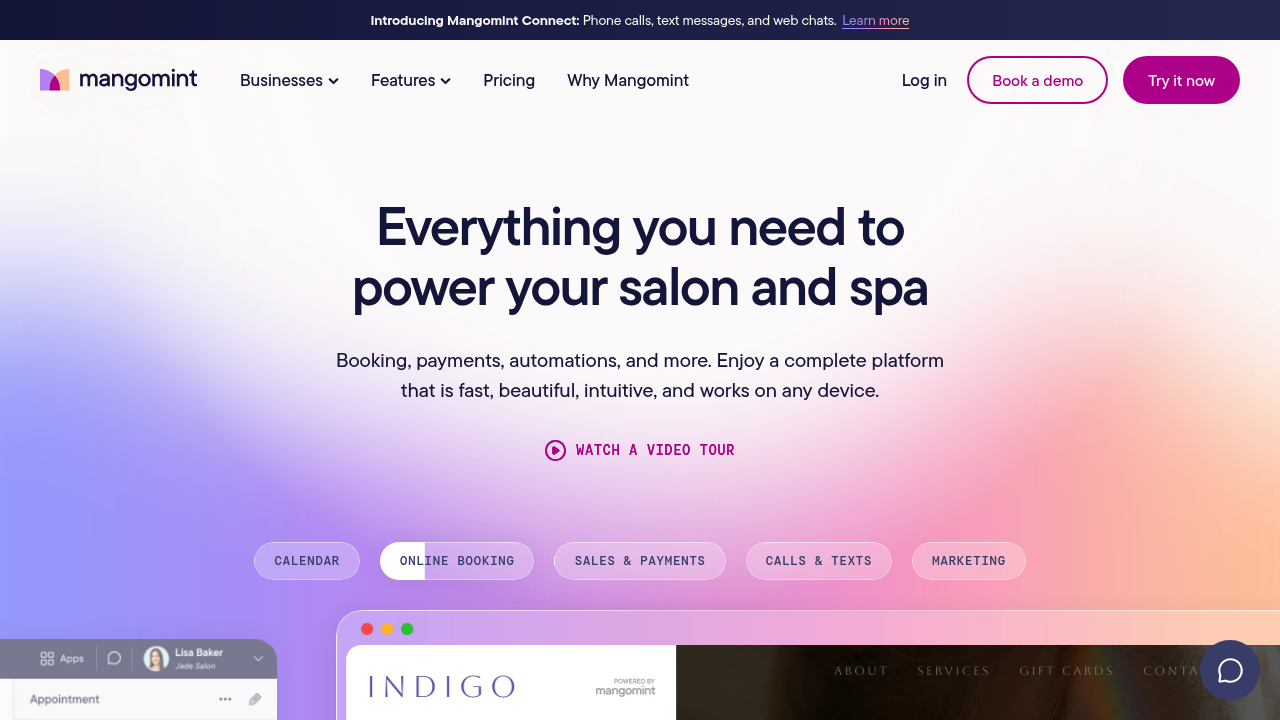
Mangomint is a strong scheduling and operations platform that fits med spas that want speed at the desk and a clean client experience.
Why it makes the list:
-
Streamlined operations: Strong for appointment flow and staff workflows.
-
Great for smaller teams: Often a good fit when you want "powerful, not heavy."
5) Vagaro
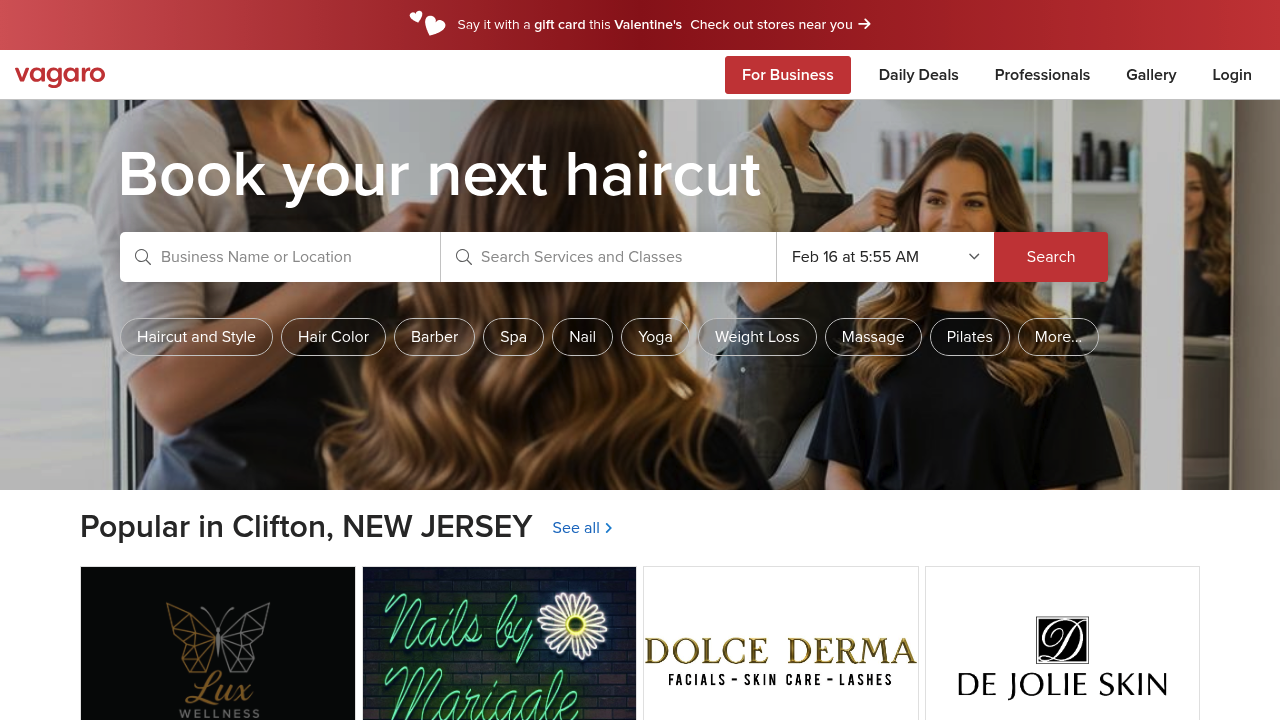
Vagaro is widely used across salons and spas and can work for med spas that want an approachable platform with broad adoption.
Where it fits best:
-
Budget-conscious setups: You want to digitize intake and admin without an enterprise lift.
-
General booking plus add-ons: Useful if your operation blends spa and med spa services.
6) Aesthetic Record
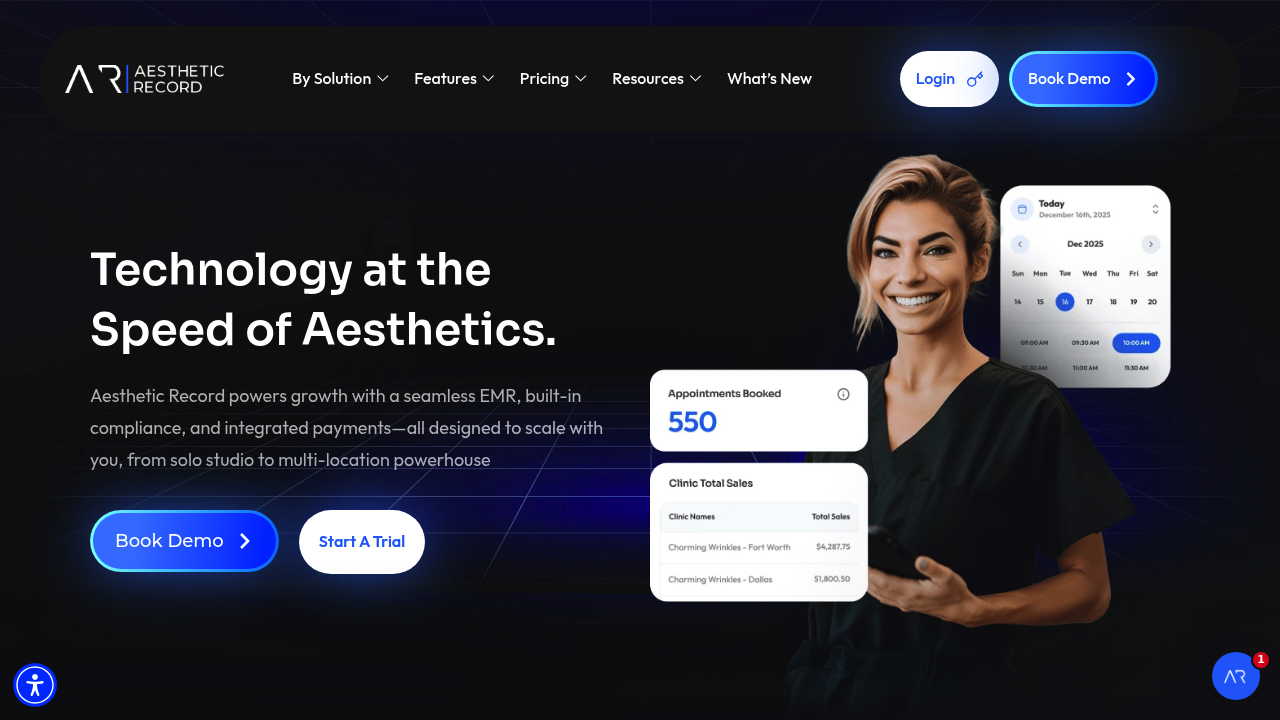
Aesthetic Record is a med spa favorite because it is designed around aesthetics workflows rather than generic medical charting.
Why it makes the list:
-
Aesthetics-first records and engagement: Built for injectables and common med spa treatments.
-
Operational alignment: Often feels closer to how an aesthetics team thinks day to day.
7) Symplast
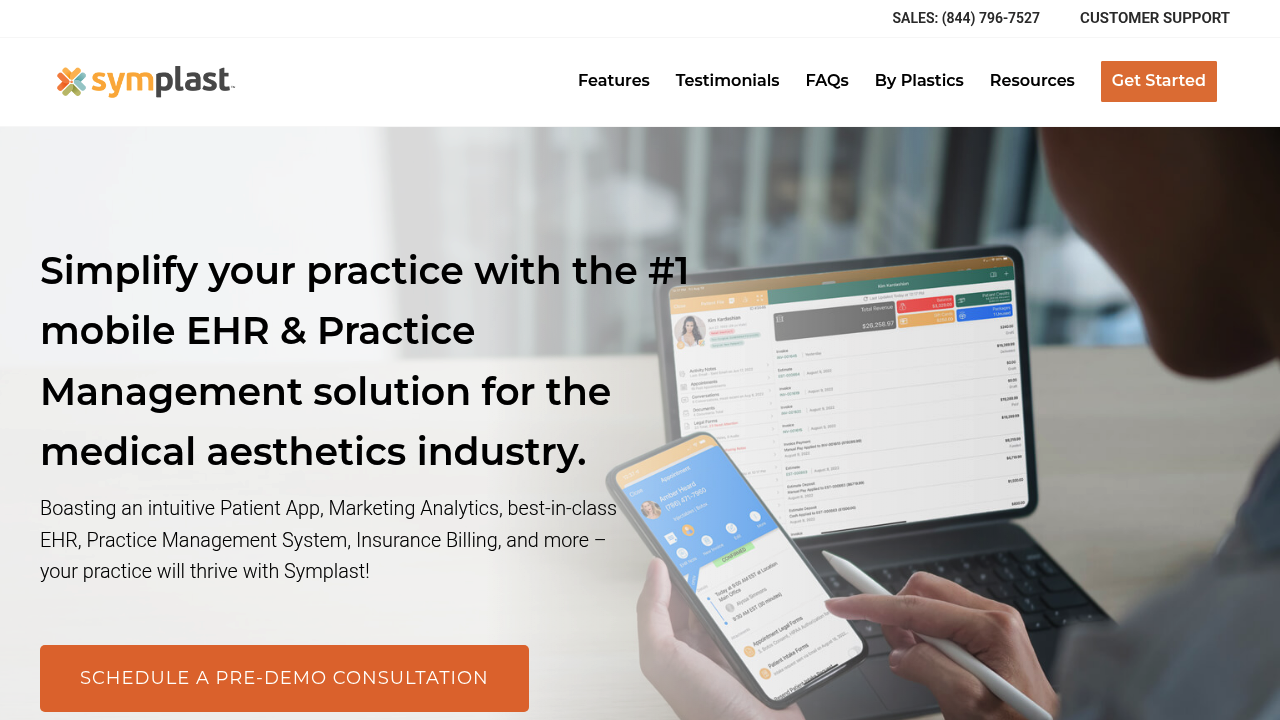
Symplast is positioned as an all-in-one EHR and practice management system for cosmetic practices, including med spas.
Why it makes the list:
-
Medical documentation posture: Useful if you want more "clinic-grade" structure.
-
All-in-one ambition: Can reduce the need for multiple point solutions.
8) PatientNow
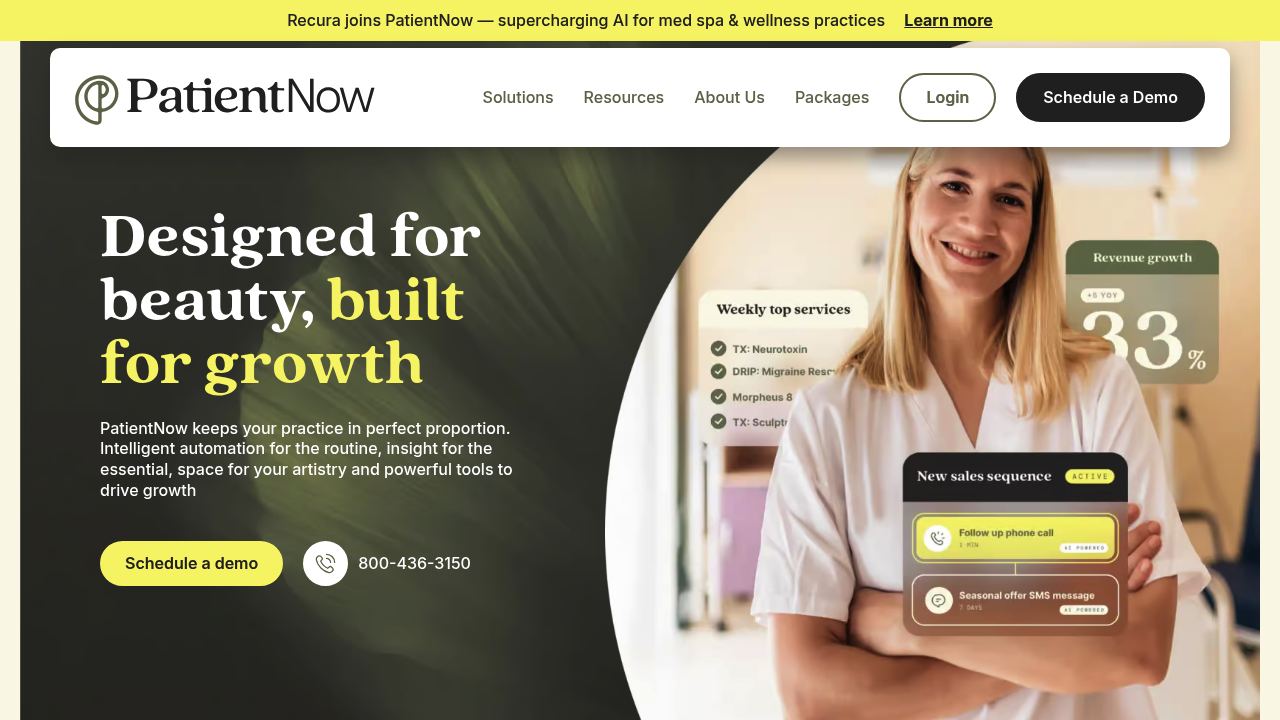
PatientNow is built around aesthetic practices with a focus on running the business side and the patient side together.
Why it makes the list:
-
Practice management focus: Designed for appointment-driven healthcare-style workflows.
-
Patient engagement tooling: Useful when your consent process is part of a broader reactivation strategy.
9) Nextech
Nextech is a specialty-focused EHR and practice management vendor. For med spas that operate closer to a physician practice model, that orientation can be a better match.
Why it makes the list:
-
Healthcare operations depth: Stronger fit when you need structured charting and compliance-minded workflows.
-
Specialty posture: Useful if your med spa is integrated with other clinical services.
10) AestheticsPro
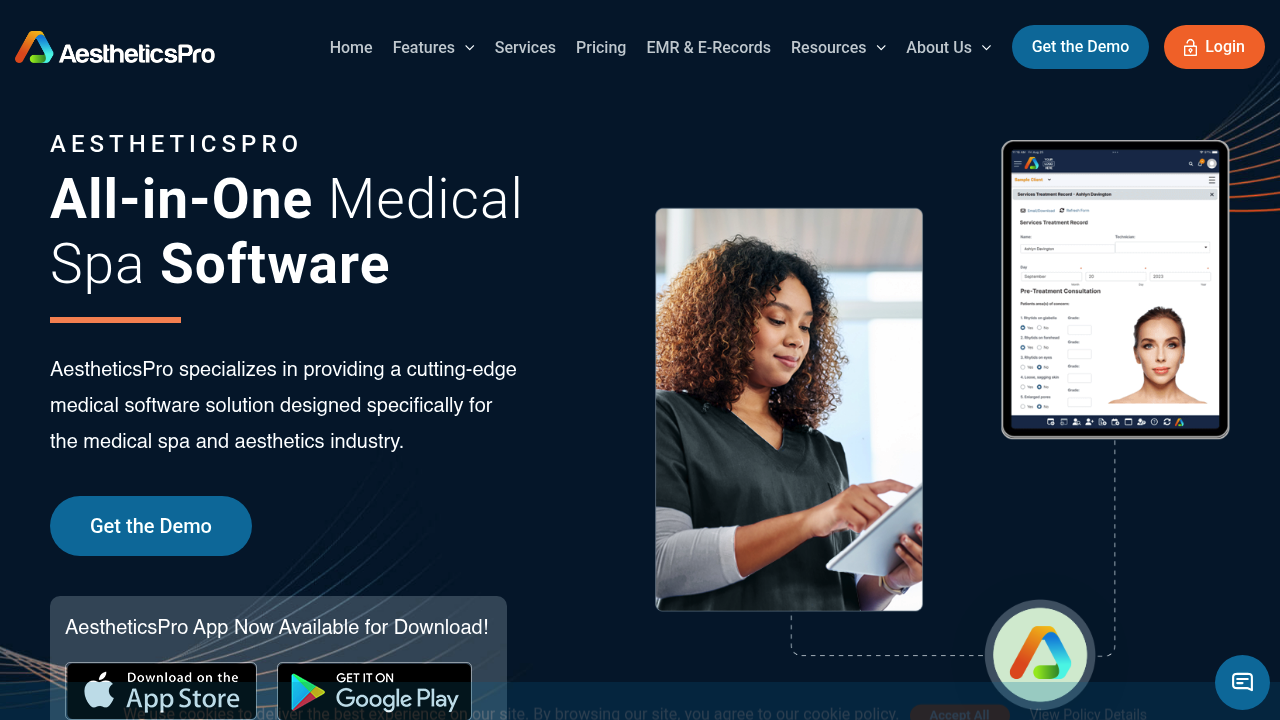
AestheticsPro is a dedicated med spa software option that aims to cover daily ops including records and scheduling.
Why it makes the list:
-
Med spa-specific orientation: Often easier to fit than generic salon tools.
-
Operations coverage: Useful when you want fewer separate subscriptions.
11) Jotform
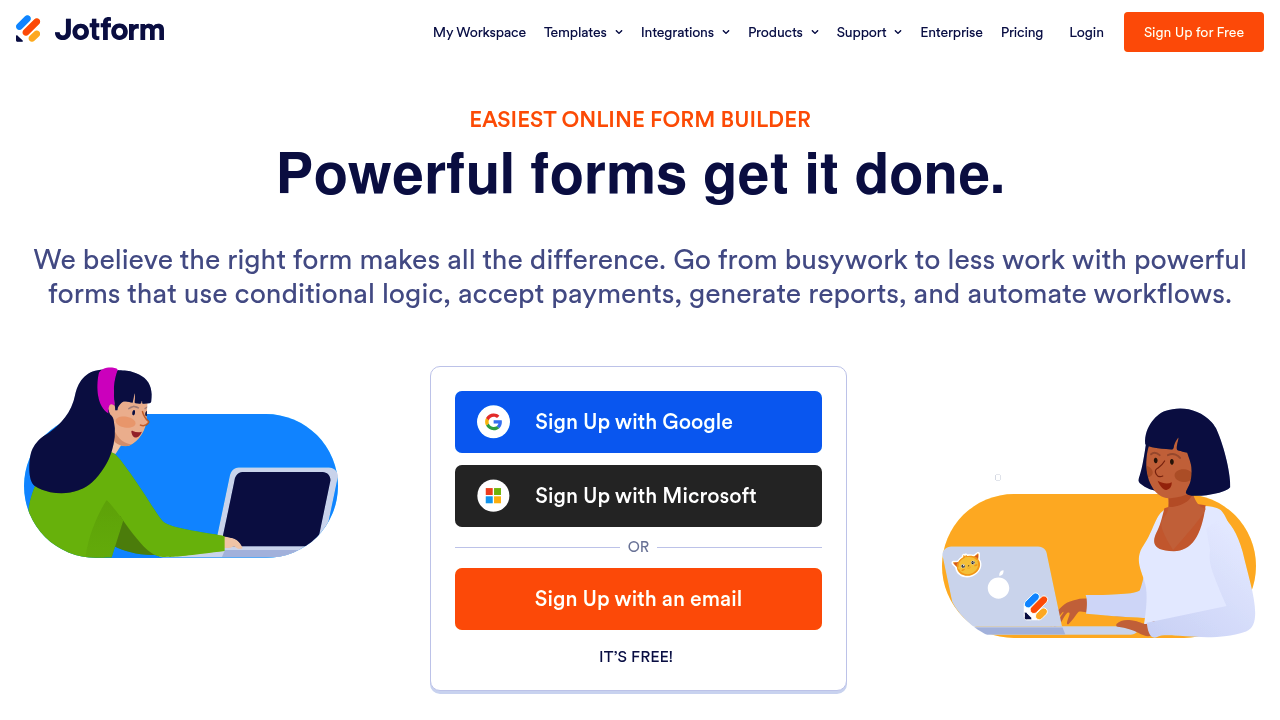
Jotform is a flexible form builder. It earns a spot here because many med spas do not want to change their scheduling system, they just want better digital consent and intake.
Why it makes the list:
-
Fast to deploy: Build forms quickly, iterate weekly.
-
Fits alongside your current stack: Useful if your booking tool is "fine" but your paperwork is not.
If you go this route, be disciplined about where submissions are stored, who has access, and how you export into your patient record.
12) Formstack
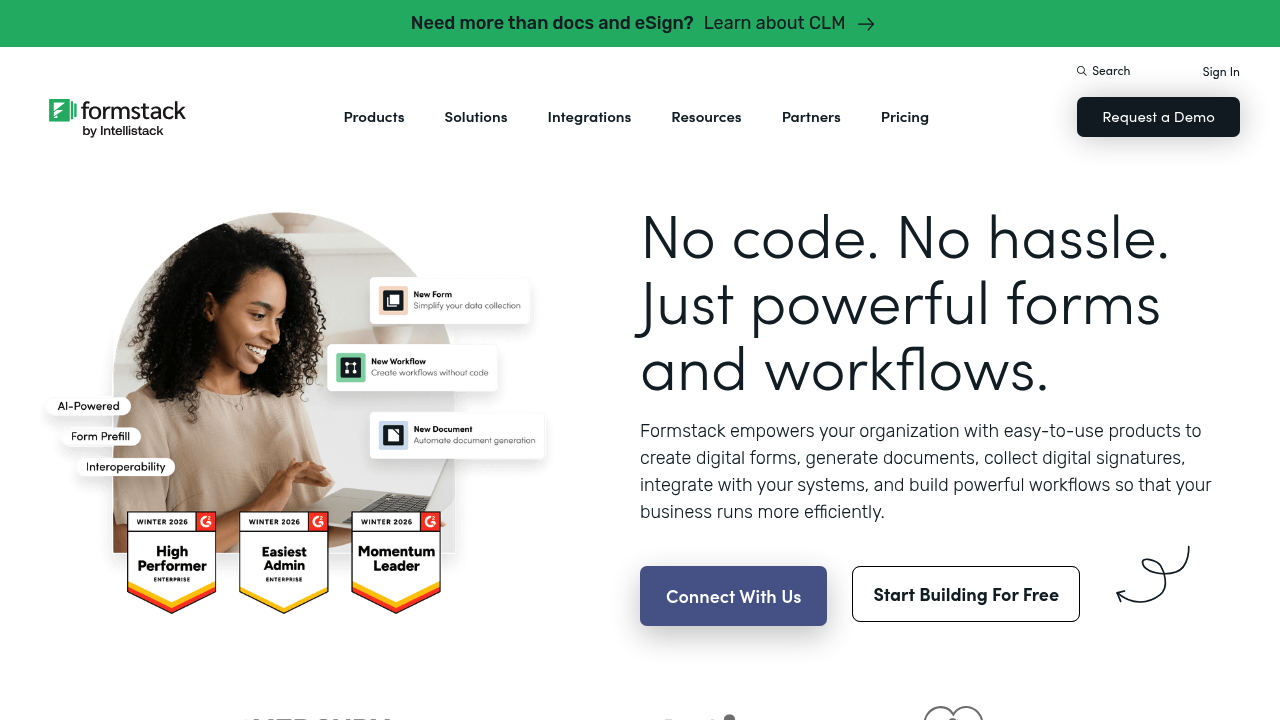
Formstack is a forms and document automation platform that can work well for consent packets, especially when you want forms plus document generation.
Why it makes the list:
-
Document workflows: Useful when a "consent form" is actually a packet plus follow-up documents.
-
Operational flexibility: Works across multiple departments and locations.
How to choose the right med spa consent forms software
Make this a decision about workflows, not feature checklists.
-
Bold the line between "waiver" and "informed consent": A waiver helps with risk. Informed consent is a process and should cover risks, benefits, and alternatives. Use the AMA informed consent guidance as your standard.
-
Decide where the source of truth lives: Your "final signed consent" should live in one system. If forms are collected in one tool and stored in another, define exactly how the record is linked.
-
Map the treatments that need distinct forms: Start with your top 10 treatments by revenue. Build consents around those first.
-
Require an audit-friendly trail: You want time stamps, versioning, and the ability to reproduce what was signed.
-
Stress-test the patient experience: Complete the forms on a phone with one hand. If it is painful, your clients will feel it.
If you are exploring a custom route, we covered how an AI app builder works in depth and how to turn "we need a better process" into a working app.
Implementation checklist for a clean rollout
- Inventory current paperwork: List every intake form, consent, photo release, aftercare acknowledgement, and privacy notice.
- Identify where PHI exists: Anything that includes health history, medications, conditions, or identifiers can become PHI. Align your flow with the HIPAA Privacy Rule.
- Define access rules: Who can view consents? Who can edit templates? Who can export data? Keep it minimal.
- Create treatment-specific packets: Bundle: intake + contraindications + consent + aftercare in a single path when possible.
- Add staff checkpoints: Require a staff review step for red flags.
- Decide on storage and retention: Determine whether the signed PDF lives in your EHR, practice management system, or a secure repository with links.
- Train the desk team: Your desk team will save or lose you hours per week. Make completion and retrieval muscle memory.
- Run a two-week parallel: For two weeks, run digital plus paper backup, then cut over fully once gaps are closed.
For teams that want to systemize rollout beyond paperwork, we covered process automation benefits, which pairs well with operational training.
Build vs buy for consent forms
Buying a platform is the fastest path when your needs are common. Building is the smartest path when consent is tied to a unique workflow you want to protect and scale.
Buy if:
-
You want an all-in-one platform now: Tools like Aesthetic Record or Symplast may cover enough out of the box.
-
Your workflow matches the product: Minimal customization needed.
Build if:
-
Your consent workflow is part of your differentiation: Examples: advanced treatment pathways, membership-based consent rules, multi-provider sign-off, or complex photo and aftercare flows.
-
You need integration across tools: If you are stitching together scheduling, payments, CRM, and storage, custom glue can eliminate constant admin work.
A practical middle ground is to prototype a custom consent portal first, then decide what to replace versus integrate. You can sketch the workflow, build a working version, and pressure-test it with staff before committing to a full migration.
If that is your direction, start a build packet using QuantumByte and document your treatments, contraindications, and approval steps.
What we covered and how to move forward
You now have:
-
Best software shortlist: A curated list of the best med spa consent forms software options, with screenshots.
-
A clear "good" standard: Mobile-first completion, audit trails, HIPAA-aware handling, and staff review.
-
A build vs buy framework: A practical way to decide based on how unique your workflow is.
If your goal is to scale without drowning in admin, treat consent as a workflow that can be engineered. The fastest win is usually a cleaner packet, a simpler client experience, and a staff review step that catches risk before treatment.
Frequently Asked Questions
Do med spas need HIPAA-compliant consent forms software?
If your consent and intake capture health history, medications, contraindications, photos tied to identity, or any other Protected Health Information (PHI), you need a HIPAA-aware setup. The HIPAA Privacy Rule and HIPAA Security Rule are the right baselines for how you store, control, and protect electronic data.
Are electronic signatures valid for med spa consent forms?
In general, electronic signatures and records cannot be denied legal effect solely because they are electronic under the ESIGN Act. In practice, you still need a strong audit trail, clear versioning, and reliable retrieval.
What is the difference between a waiver and informed consent?
A waiver is often framed around risk acknowledgment. Informed consent is a communication process that should cover the nature of the procedure, risks, benefits, and alternatives, and it should be documented. The American Medical Association's informed consent guidance is a clear standard.
Should I choose an all-in-one med spa platform or a dedicated forms tool?
Choose all-in-one when you want fewer vendors and your workflow matches the platform. Choose a dedicated forms tool when your booking system is working and you mainly need better intake and consent. Choose a custom build when you need integrations, branching logic, and staff workflows that off-the-shelf tools do not support cleanly.
What is the fastest way to improve consent collection next week?
Standardize your top treatment packets, push pre-visit completion via text or email, and add a staff review step for red flags. If your current platform cannot do this without hacks, prototype a focused consent portal and integrate it with your existing scheduling and record storage.