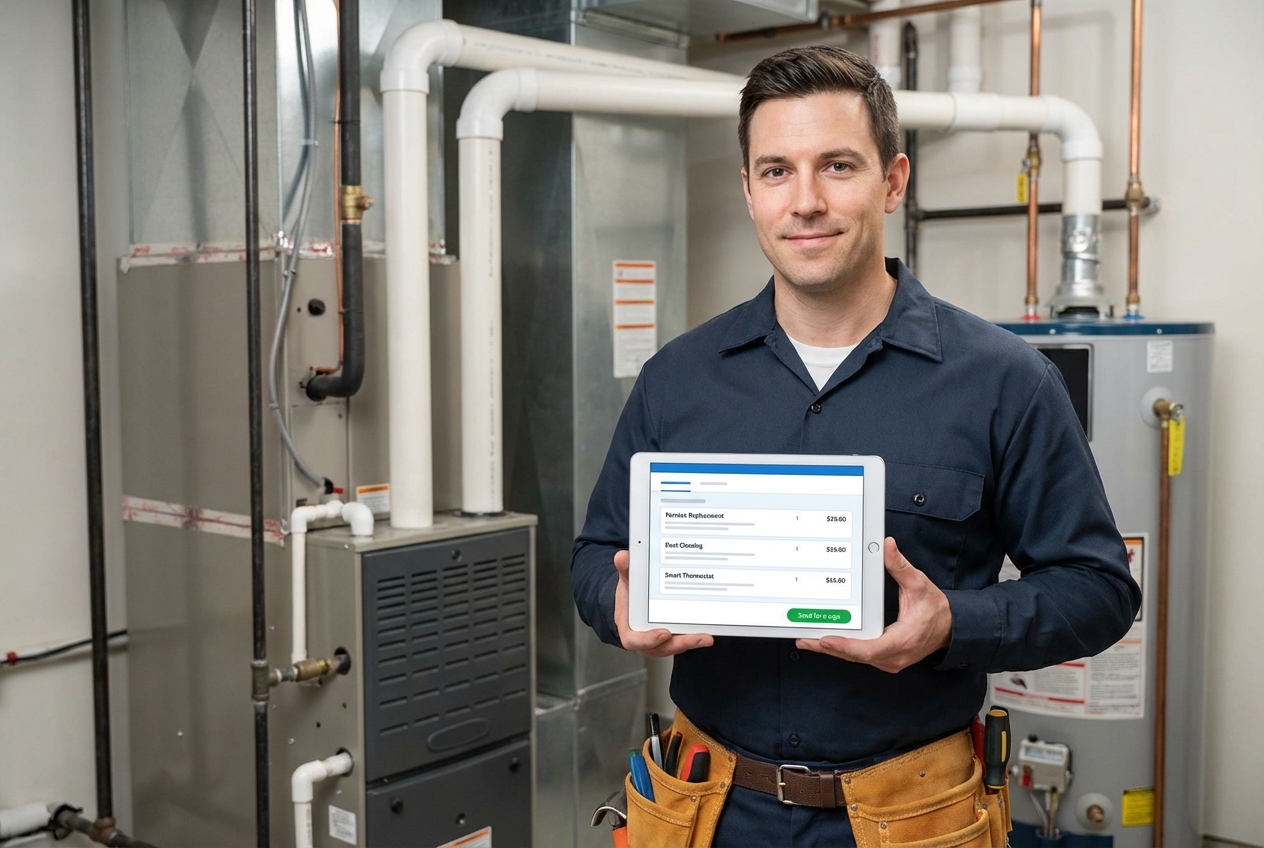
Quoting should not be the bottleneck that costs you jobs. The right hvac quoting software helps you turn site notes into a professional, margin-protected quote fast, then move the customer from approval to deposit without chasing paperwork.
This guide is for owners and operators who need tighter close rates, cleaner handoffs, and fewer "we'll think about it" delays, whether you run a two-truck residential team or a multi-branch install operation.
Quick verdict and best fit
If your quoting is tied to field work, your best option is usually a field service workflow where estimates, scheduling, and invoicing connect without duplicate entry.
Use this quick filter:
- If you sell replacements and upgrades: prioritize good-better-best templates, financing options, and e-signature.
- If you run high call volume service: prioritize mobile speed, pricebooks, and converting quotes to work orders.
- If you do commercial work: prioritize multi-level approvals, job costing, and exportable proposal packages.
- If you have unique pricing rules or bundle logic: consider building a custom quoting flow (covered in Build vs Buy).
Feature checklist for HVAC quoting software
A buying decision gets easier when you evaluate against the same operational checklist.
- Mobile-first estimating: your tech should build a quote on-site with poor reception and still sync cleanly later.
- Pricebook and margin guardrails: you need standardized parts and labor rates with controls that protect minimum margin.
- Good-better-best packages: structured options help customers decide faster and make upsells feel transparent.
- Load calculations and system sizing support: quoting needs to reflect real Heating, Ventilation, and Air Conditioning (HVAC) sizing assumptions, not guesswork.
- E-signature and audit trail: approvals should be legally defensible and time-stamped; electronic signatures are recognized under the Electronic Signatures in Global and National Commerce Act.
- Deposits and payments: collecting a deposit at approval reduces no-shows and speeds scheduling.
- Quote-to-job conversion: turning accepted estimates into work orders should not require retyping.
- Accounting-ready outputs: invoices, deposits, and change orders should map cleanly into your books.
- Reporting that answers operator questions: win rate by lead source, average ticket by tech, and margin by job type.
Workflow fit for contractors and agencies
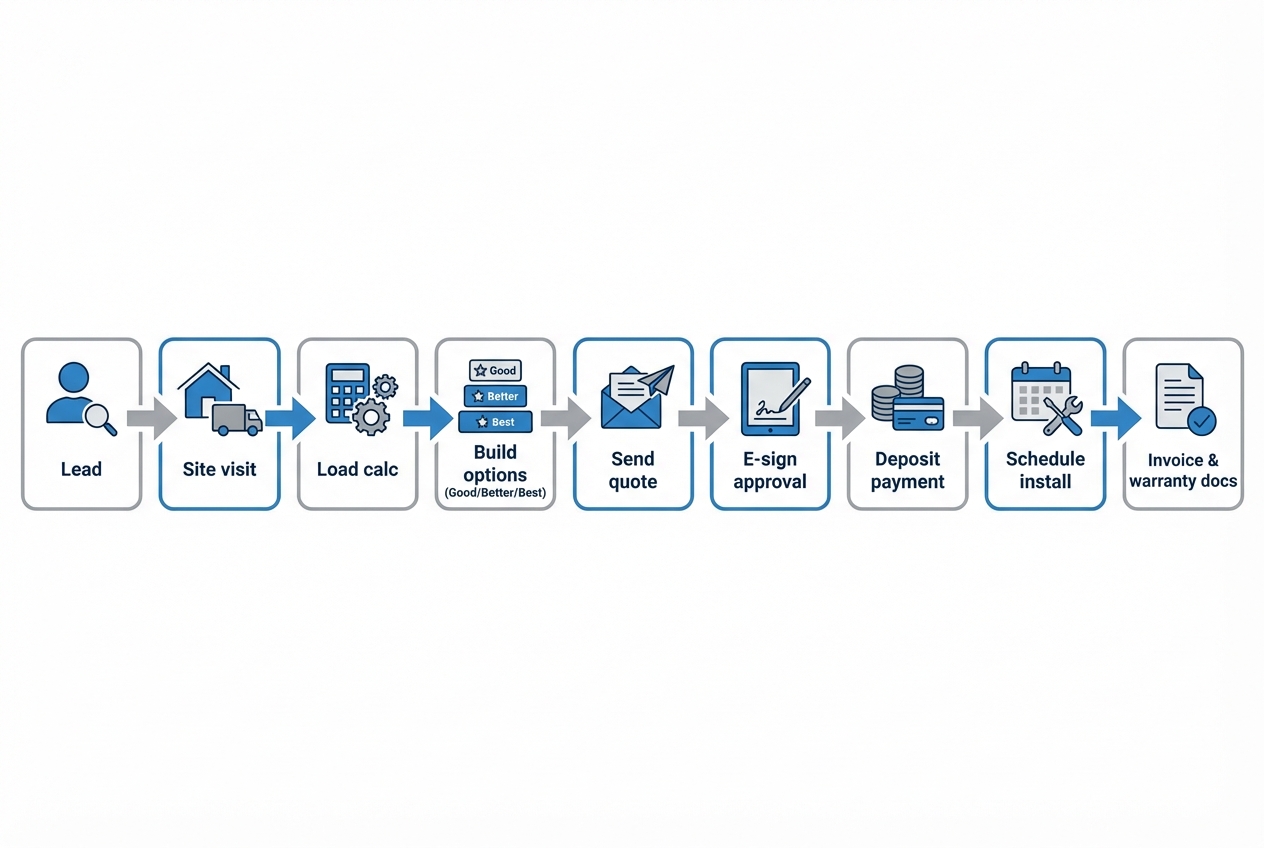
Most quoting stacks break when your team has to jump between tools mid-job. A workflow-fit check keeps you honest.
Residential service teams
You need speed and consistency.
- Dispatch to estimate: reduce context switching so your tech can build an estimate while the customer is still engaged.
- Add-ons in the moment: accessories, IAQ (Indoor Air Quality) upgrades, and maintenance plans should be selectable, not improvised.
Replacement and install sales
You need clarity, options, and financing readiness.
- Options packaging: present good-better-best with clear scope differences.
- Customer-ready proposal: a clean document matters when the homeowner compares bids.
Commercial and multi-location operations
You need control and accountability.
- Approval workflows: foreman, PM (Project Manager), or office approvals before a quote is sent.
- Job costing alignment: estimates should match how you track cost codes later.
Agencies and multi-brand operators
If you manage multiple crews, branches, or even partner brands, quoting becomes a system design problem.
- Standardized templates across locations: consistent pricing logic, but with branch-level overrides.
- Reporting across entities: visibility into conversion rate and margin by region.
This is also where a custom app can outperform off-the-shelf tools, especially if you have specialized bundle rules or a unique sales process. We built our platform for that kind of founder-led system work, where you want control without a year-long build cycle. The product overview on our homepage is a good starting point to see what custom workflows can look like.
Integrations that matter
Integrations are not a nice-to-have. They determine whether your quote becomes a job cleanly, and whether the job becomes revenue in your accounting system.
| Integration | What to look for | Why it matters |
|---|---|---|
| Customer Relationship Management (CRM) | Lead source tracking, pipeline stages, and quote follow-ups | Stops quotes from going stale and lets you forecast work |
| Accounting | Mapping for customers, items, taxes, deposits, and invoices | Prevents reconciliation pain at month-end |
| Payments | Deposits, partial payments, refunds, and payment links | Shortens the gap between approval and scheduling |
| E-signature | Audit trail and identity verification | Makes approvals enforceable and reviewable; strong digital signature models are formalized in NIST FIPS 186-5 |
Two practical integration notes:
- Recordkeeping is part of risk management: clean, searchable quote and invoice history supports audits and tax prep; the Internal Revenue Service guidance on recordkeeping is the right baseline mindset.
- If you take cards, security standards matter: if your operation stores, processes, or transmits card data, you should understand the baseline requirements in PCI DSS.
Pricing expectations and cost drivers
HVAC quoting software pricing usually scales with how many people touch the system and how much of your workflow you centralize.
| Cost driver | What it usually means in practice | How to plan for it |
|---|---|---|
| User seats | Office staff, techs, sales reps, managers | Count everyone who needs access, not just closers |
| Modules and add-ons | Payments, e-signature, marketing automation, advanced reporting | Decide what must be native vs integrated |
| Pricebook complexity | Large catalogs, vendor-specific parts, regional pricing | Budget time for cleanup and standardization |
| Implementation and training | Onboarding, data migration, process redesign | A clean process beats a rushed rollout |
| Support tier | SLA (Service Level Agreement), dedicated success, custom workflows | Match support to your operational complexity |
If you are early-stage and want to test a new quoting flow without committing to a heavyweight platform, it can be useful to prototype first. We offer a low-friction entry point on the pricing page, which is practical when your main goal is validating a workflow before you standardize it company-wide.
Alternatives and competitors
Below are widely used options teams consider when shopping for hvac quoting software. Each has a different center of gravity.
ServiceTitan
Built for end-to-end home services operations. Best when you want estimates tied to dispatch, job costing, and multi-branch reporting with strong operational controls.
Housecall Pro
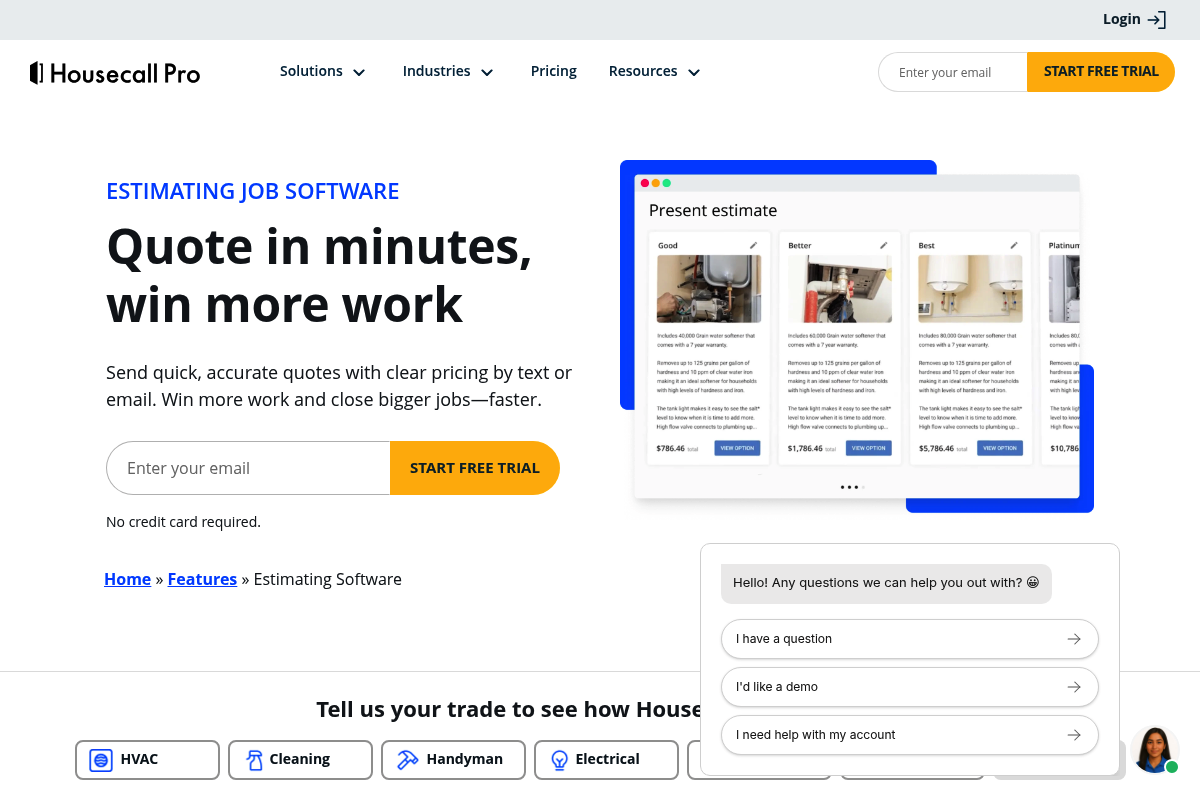 A practical fit for smaller to mid-sized teams that want fast estimating, customer messaging, and simple quote follow-up without heavy configuration.
Jobber
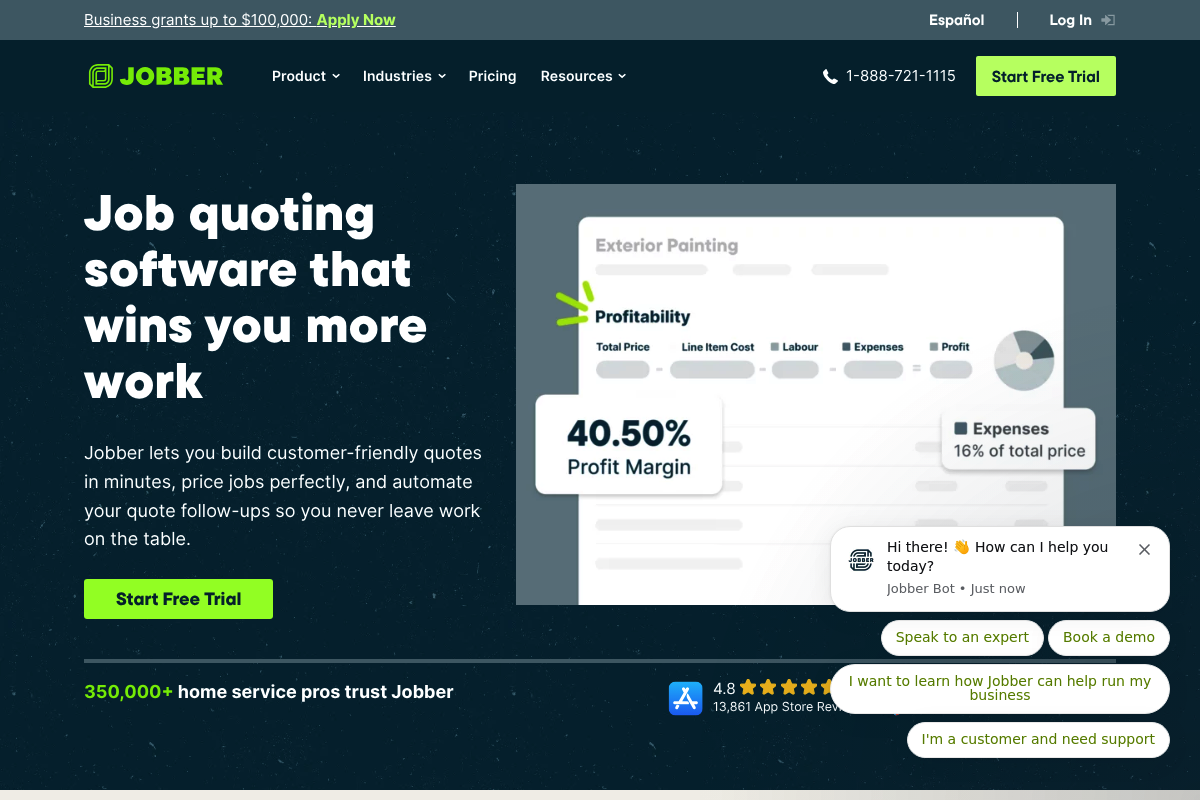 Good for clean quote packaging, approvals, and reminders. Works best when your service catalog is straightforward and you value speed and presentation.
FieldEdge Proposal Pro
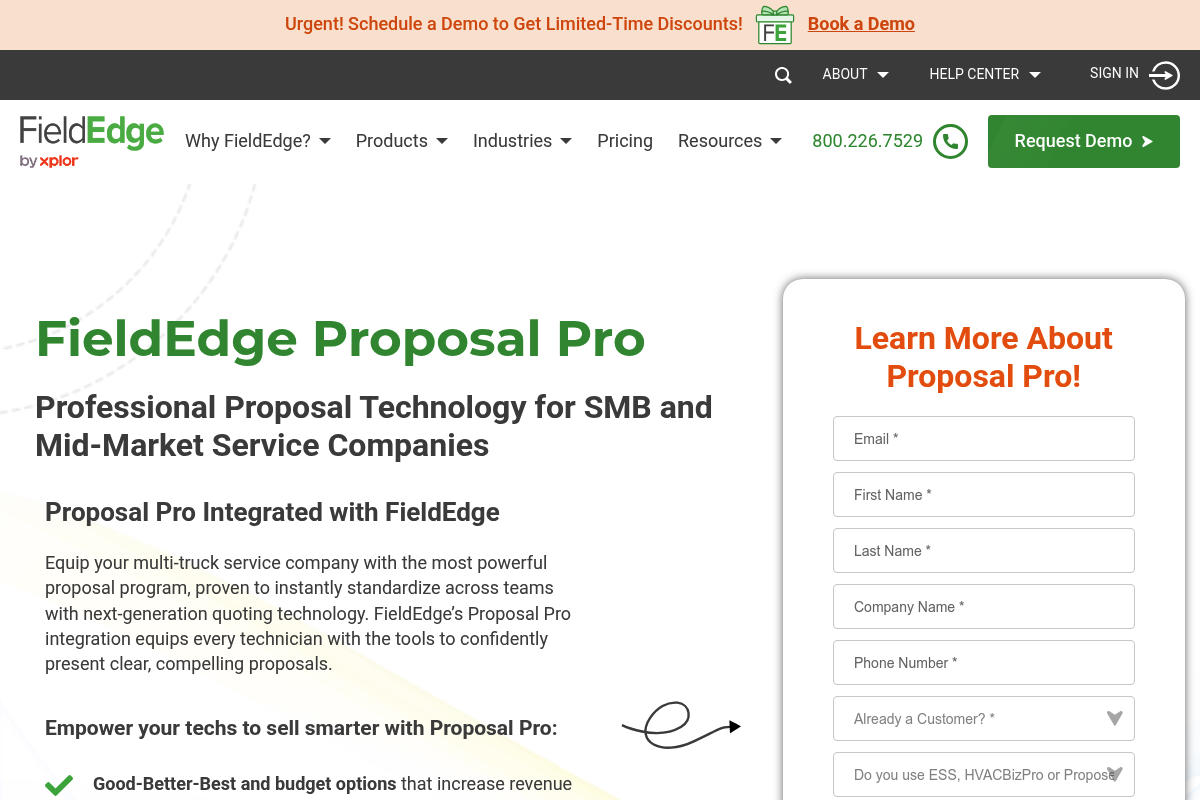 Designed for in-home option selling with structured proposals. A strong choice when technicians present good-better-best consistently on site.
Service Fusion
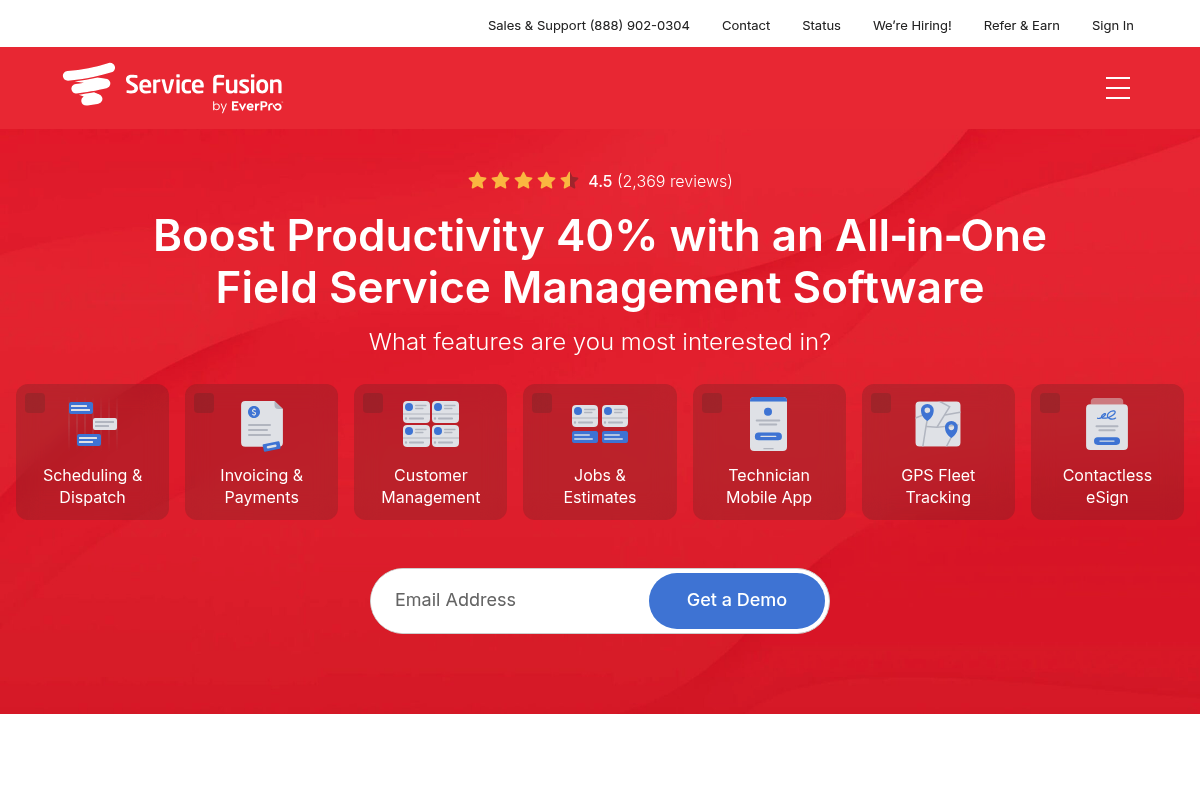 A field service management suite that covers quoting through invoicing. Useful if you want one system for office and field basics.
simPRO
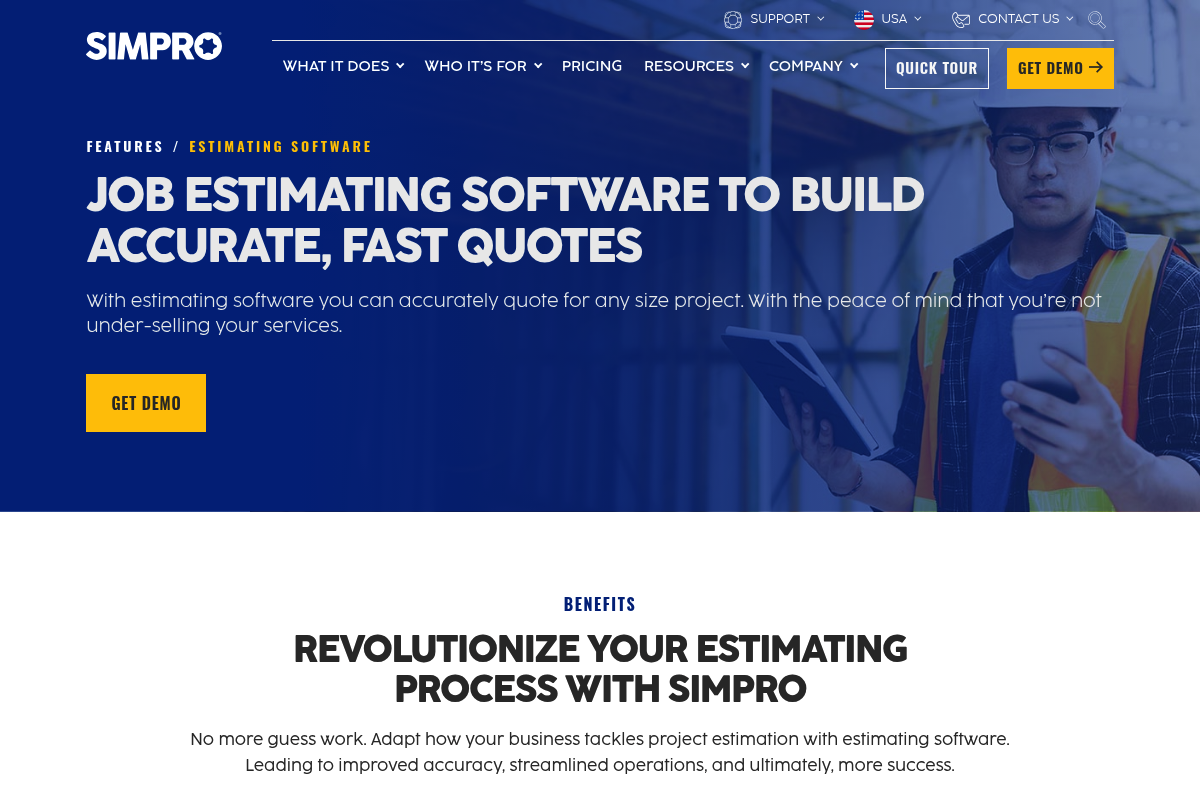 Often chosen for more complex operations that need standardized estimating, cost centers, and tighter project workflow discipline across teams.
Procore Estimating
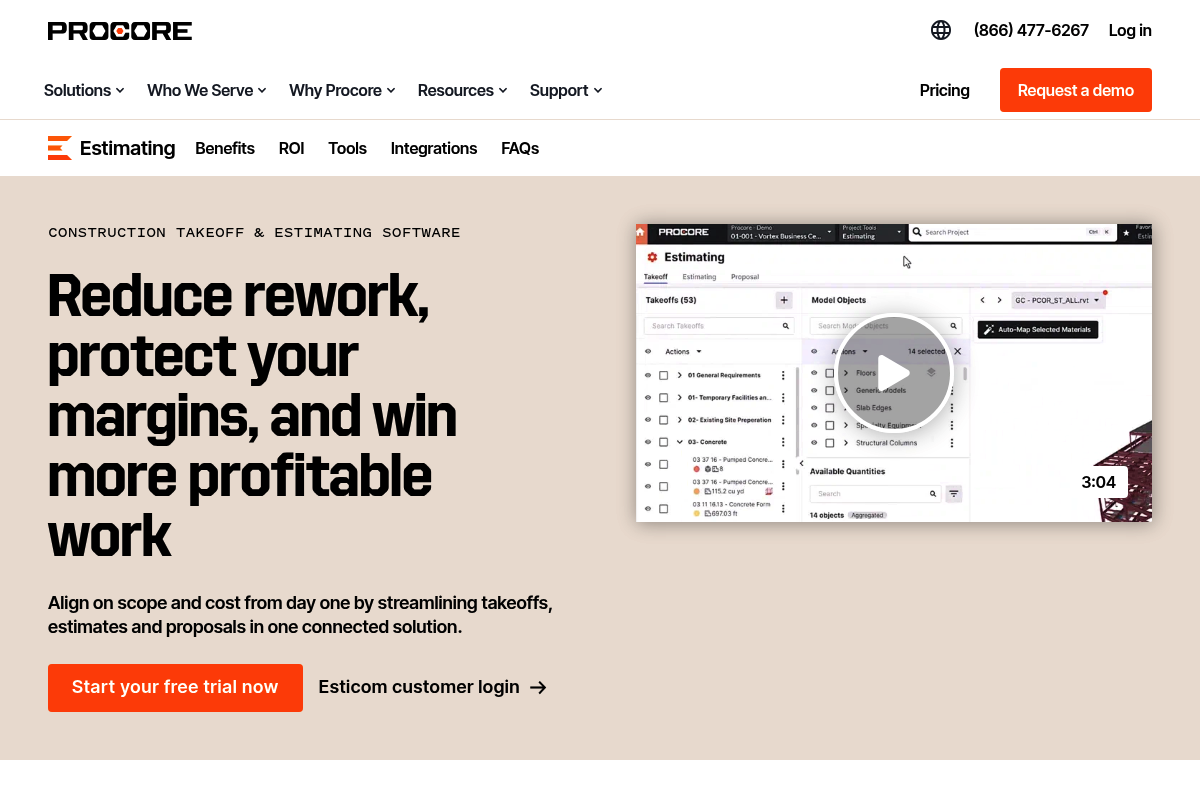 More construction-oriented than service-oriented. A fit when HVAC work is managed like projects with bids, takeoffs, and multi-trade coordination.
QuickBooks Estimates
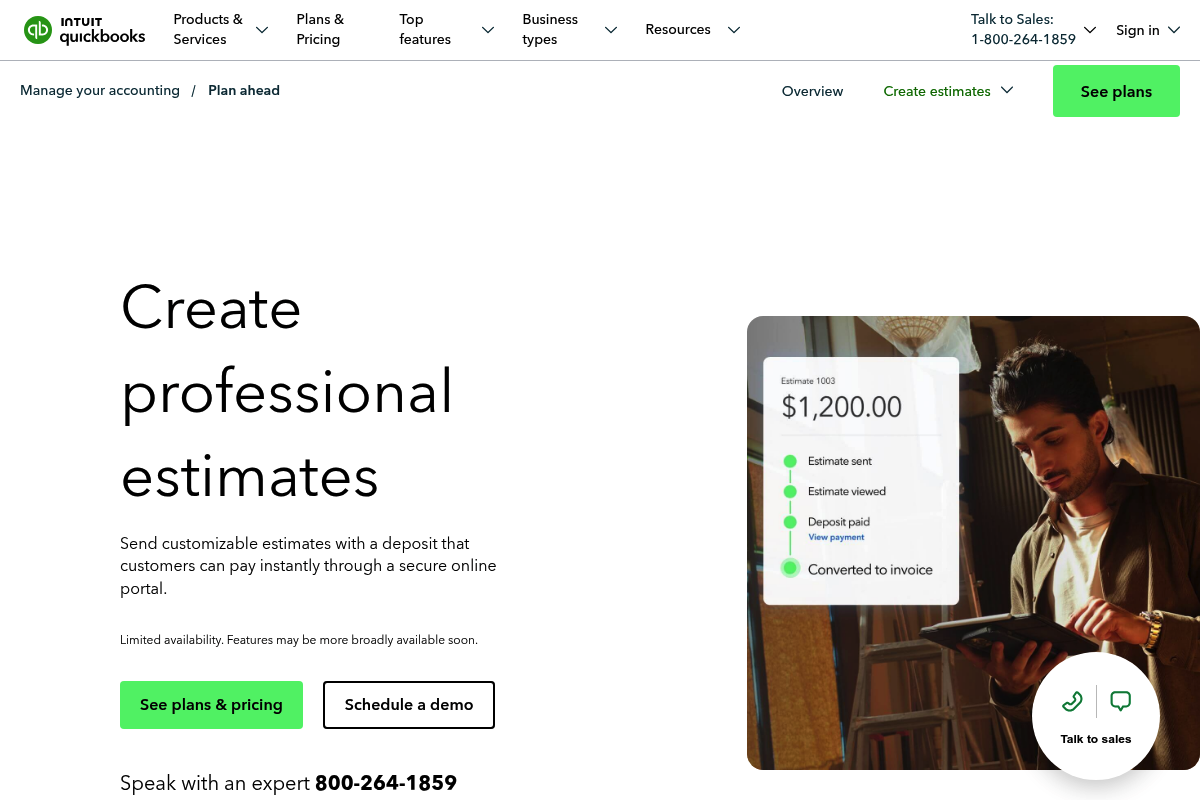 Best as an accounting-adjacent estimating layer. Ideal when you mainly need professional estimates that convert cleanly into invoices and reporting.
Build vs Buy
Buying is usually right when your workflow is common and you want predictable implementation. Building is right when quoting is part of your competitive edge.
When buying wins
- You want a proven field service management pattern: dispatch, estimate, invoice, repeat.
- You can live with the platform’s quote structure: even if it is not perfect, it is consistent.
- Your edge is marketing and service quality, not quote logic: speed to adoption matters most.
When building wins
You should consider a custom build when you repeatedly say, "Our jobs are not like that." Common triggers:
- Pricing logic is unique: bundled systems, regional multipliers, warranty tiers, or margin rules per job type.
- Your proposal package is a differentiator: customer education, photos, checklists, and compliance docs in one flow.
- Approvals are real: commercial work often needs role-based approvals and change-order discipline.
- You need one view across tools: CRM, accounting, and scheduling data in a single operational cockpit.
This is where an AI app builder can make sense. With us, you can describe the quoting flow you want and generate a usable internal tool quickly, then refine it as your process evolves. If you want to see how teams structure prompts for business apps, the AI app builder prompts guide is a practical reference.
If your quoting process is tightly tied to proposals and customer-facing packaging, our own proposal software comparison is also useful for deciding what to buy versus what to custom-build.
Implementation timeline
A successful implementation timeline focuses on preventing process drift while your team learns the new standard.
For off-the-shelf quoting platforms
- Define your quote standard: job types, minimum margins, discount rules, and required line items.
- Normalize your pricebook: clean duplicates, unify naming, and decide how you handle vendor updates.
- Set templates: good-better-best packages for common replacements and upgrades.
- Connect integrations: accounting, payments, and e-signature first.
- Train with real jobs: run a controlled pilot before you flip everyone at once.
For custom quoting workflows
- Map the workflow: what your tech sees, what the office approves, what the customer signs.
- Decide the data model: customers, equipment, labor tables, parts, and tax rules.
- Build a prototype: validate that the quote output matches what you would actually send.
- Add operational hardening: roles, audit logs, and reporting.
If you need a faster path from idea to a working internal tool, our platform is designed around founders and operators who want speed without giving up control. The Enterprise offering is the right fit when you want custom workflows with organizational guardrails.
Wrap-up: choosing the right quoting path
What you want is a reliable quote-to-cash system that your field and office teams will actually use.
- Standardize the quote: decide job types, minimum margins, and required line items before you judge any tool.
- Optimize quote-to-cash: design the path from approval to deposit to scheduling to invoice so customers cannot stall the process.
- Treat integrations as core: evaluate accounting, payments, and e-signature connections as part of the purchase, not after.
- Build when quoting is your edge: if your pricing logic is how you win, a custom workflow can create leverage that templates cannot.
Frequently Asked Questions
What is HVAC quoting software?
HVAC quoting software is a tool for creating, sending, and tracking estimates for HVAC service, replacement, or install work. Strong tools connect quoting to scheduling, e-signature approval, payments, and invoicing.
What features matter most for closing more replacement jobs?
Good-better-best options, clear scope language, customer-ready proposals, e-signature, and the ability to take a deposit immediately after approval.
Do electronic signatures hold up legally for HVAC estimates?
In the United States, electronic signatures and records cannot be denied legal effect solely because they are electronic under the ESIGN Act. Your workflow should also retain an audit trail.
Should I quote from a pricebook or line-item everything?
For repeatable work, a pricebook enforces consistency and margin. For complex commercial scopes, line items may be necessary, but you should still standardize categories and approvals to avoid underbidding.
Can I build my own quoting app instead of buying software?
Yes, and it can be the best option when your pricing logic, approvals, proposal package, or data model is unique. The key is to prototype quickly, validate with real jobs, then harden roles, logs, and reporting.
What integrations should I prioritize first?
Start with accounting, payments, and e-signature. Those remove the most friction between quote approval and cash collection, while keeping your records clean for finance and compliance.
Start building
If you are hitting the limits of off-the-shelf hvac quoting software, build the quoting workflow you actually run, with your pricing rules, your approval steps, and your proposal package.
We designed our platform for founders who want speed and control at the same time. Even non-technical operators can move fast: we have seen founders go from idea to a working app in minutes, and the same speed applies to HVAC quoting workflows.
Start with our Enterprise tier when you need custom workflows with governance.
If you want to validate the idea with a smaller commitment first, compare tiers on our pricing page.