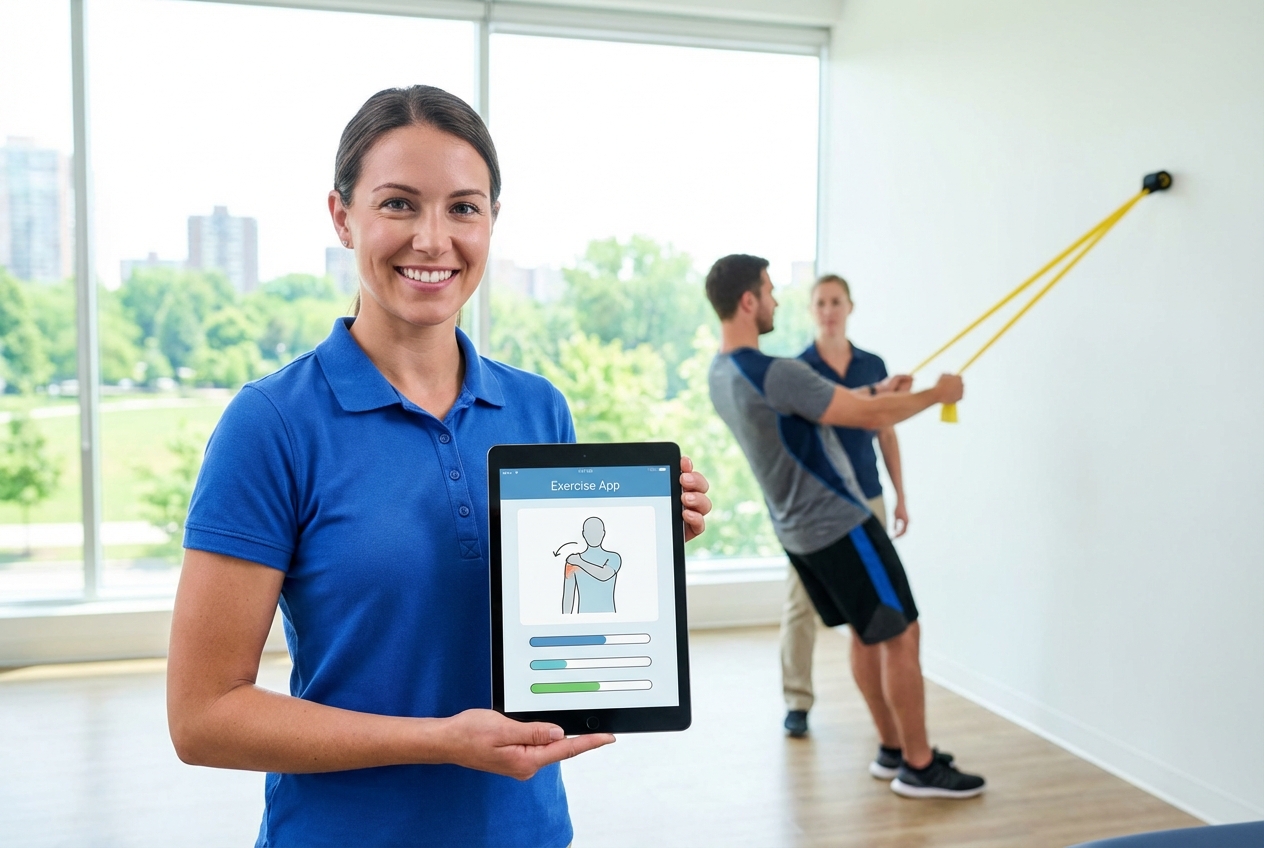
Building a physical therapy exercise app is a strategic decision, not a software purchase.
You might be launching a branded home exercise program (HEP) platform for your clinic. You might be productizing a rehab method into a subscription app. Or you might be evaluating white-label versus fully custom development to own your patient experience end to end.
There isn't one single "best" solution. There are different ways to build: adapting an existing HEP platform, using a white-label system, working with an app builder, or developing a custom product from scratch. Each path trades off speed, control, cost, and long-term scalability.
This guide ranks the best ways to build a physical therapy exercise app in 2026, comparing platforms, white-label options, and custom approaches so you can choose the build strategy that fits your clinical model and business goals.
Quick picks by use case
| Use case | Best pick | Why it wins |
|---|---|---|
| Build your own branded PT exercise app | QuantumByte | Fastest path to a custom workflow (your protocols, your tracking, your paywall) without waiting months on dev. |
| Clinic HEP with a patient app | Physitrack | Strong HEP delivery, patient experience, and clinician workflow focus. |
| Patient engagement around HEP | MedBridge GO | Designed to motivate HEP engagement inside a broader care platform. |
| Simple, printable exercises plus online access | HEP2go | Straightforward exercise handouts and basic digital delivery. |
| Digital MSK programs and coaching model | Hinge Health | Built for musculoskeletal (MSK) programs, behavior change, and ongoing engagement. |
What to look for in a physical therapy exercise app
Pick based on outcomes and operations, not feature checklists. The best apps make adherence easier and reporting clearer. That matters because the American Physical Therapy Association telerehabilitation clinical practice guideline highlights that adherence and attendance as key advantages in certain contexts.
-
HEP creation speed: You should be able to build a program in minutes, not at the end of your day. Look for templates, favorites, and fast search.
-
Exercise clarity: Videos, cues, and modifications reduce patient guesswork. This is where many exercise library tools fall apart.
-
Reminders and habit support: Nudges, streaks, and simple check-ins are not gimmicks. A systematic review found that seven of ten trials reported significantly better adherence when digital interventions were added to home exercise programs, favoring the digital adjunct in the short term.
-
Two-way tracking: Patients should log sets, reps, pain, and notes. Clinicians should see trends, not raw noise.
-
Clinical guardrails: You need dosage, progression rules, contraindication notes, and the ability to personalize safely.
-
Admin fit: If you are a clinic, ensure it fits intake, scheduling, documentation, and billing realities.
-
Brand and monetization: If you are a founder or clinic owner building a product, prioritize white-labeling, subscriptions, and role-based access.
How a physical therapy exercise app works in practice
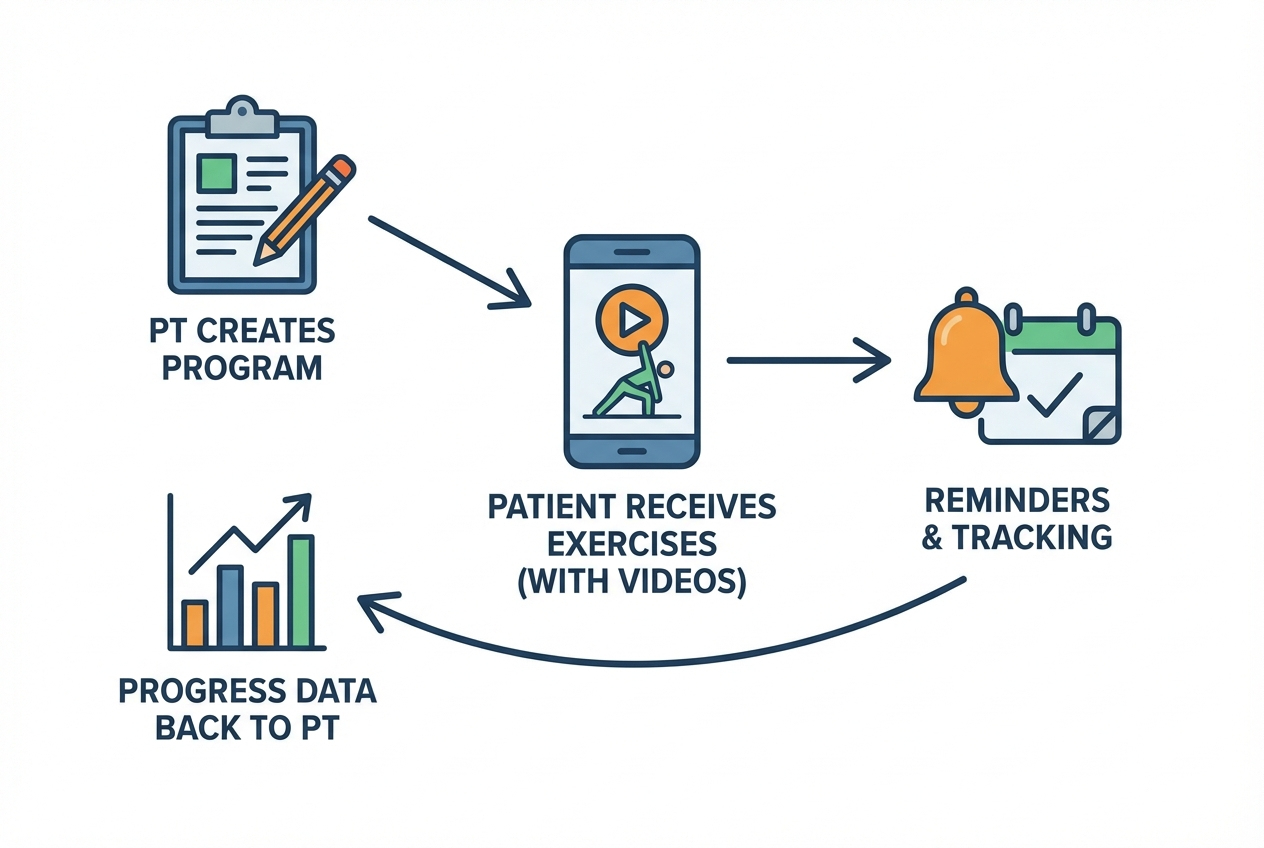
A solid physical therapy exercise app supports a simple loop:
- Clinician assigns a plan: Exercises, dosage, and progression logic.
- Patient gets guided execution: Videos, cues, reminders, and simple logging.
- Progress becomes visible: Trends on adherence, symptoms, and functional markers.
- Plan updates fast: Adjustments happen weekly (or sooner), not next visit.
Telerehabilitation evidence reviews consistently point to comparable outcomes to in-person care across many conditions when care is delivered well, which makes the tooling and workflow quality matter. For a broad overview across many conditions and delivery modes.
Best physical therapy exercise app options in 2026
1. QuantumByte

This is the strongest option if you want to build a physical therapy exercise app that matches your exact protocols and business model. Ready-made platforms are great until your workflow needs one small change that turns into a permanent workaround.
Why it ranks #1 is simple: you can ship a branded, differentiated product and keep full control over the patient experience. And when the artificial intelligence (AI) cannot cover an edge case, QuantumByte pairs it with our in-house agency team to finish the job.
-
Best for: Clinics and solopreneurs who want to productize a rehab method and sell it.
-
What to validate early: Define your minimum lovable workflow, then iterate.
-
Monetization fit: Subscriptions and access tiers are easier when you design them upfront. Use the playbook on subscription apps to plan pricing and retention.
2. Physitrack
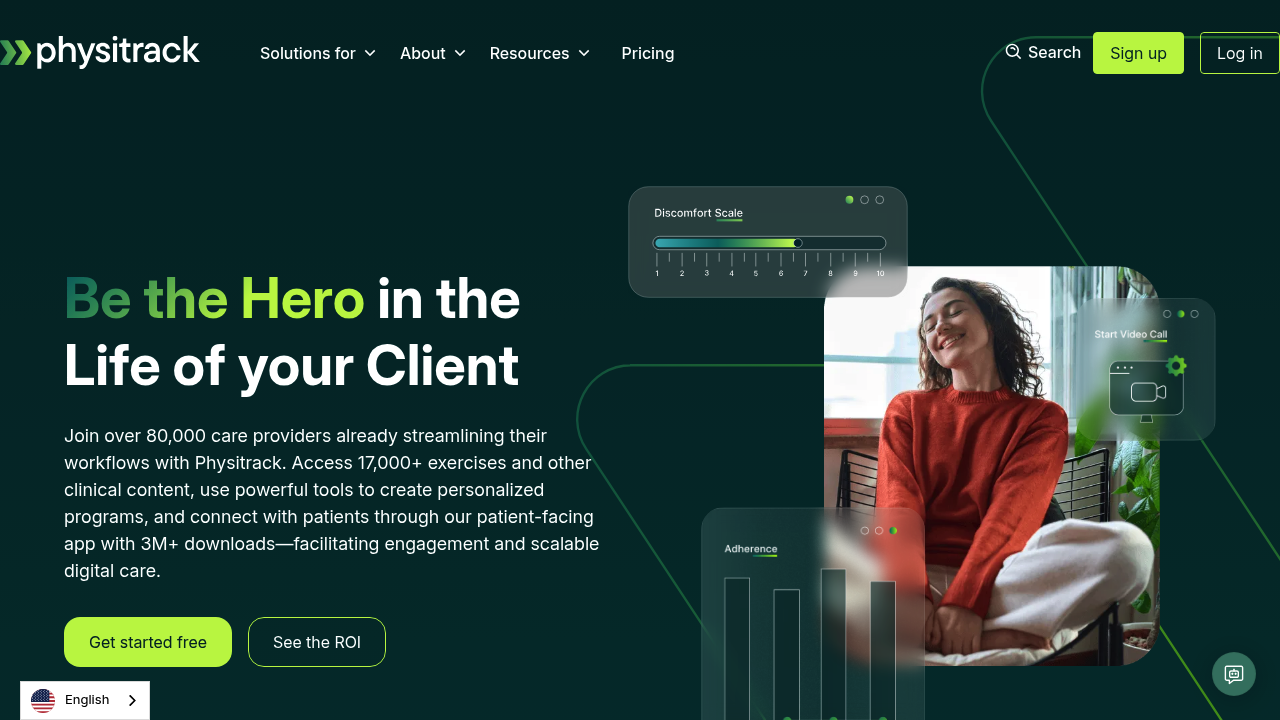
Physitrack is a go-to for clinics that want a polished HEP workflow and a patient-facing experience built for rehab.
-
Best for: High-volume clinics assigning HEP daily.
-
Strength: Exercise delivery and clinic workflow are clearly first-class.
-
Watch-out: Differentiation is limited. If your business depends on a unique protocol, standard HEP delivery can become a ceiling.
3. MedBridge GO
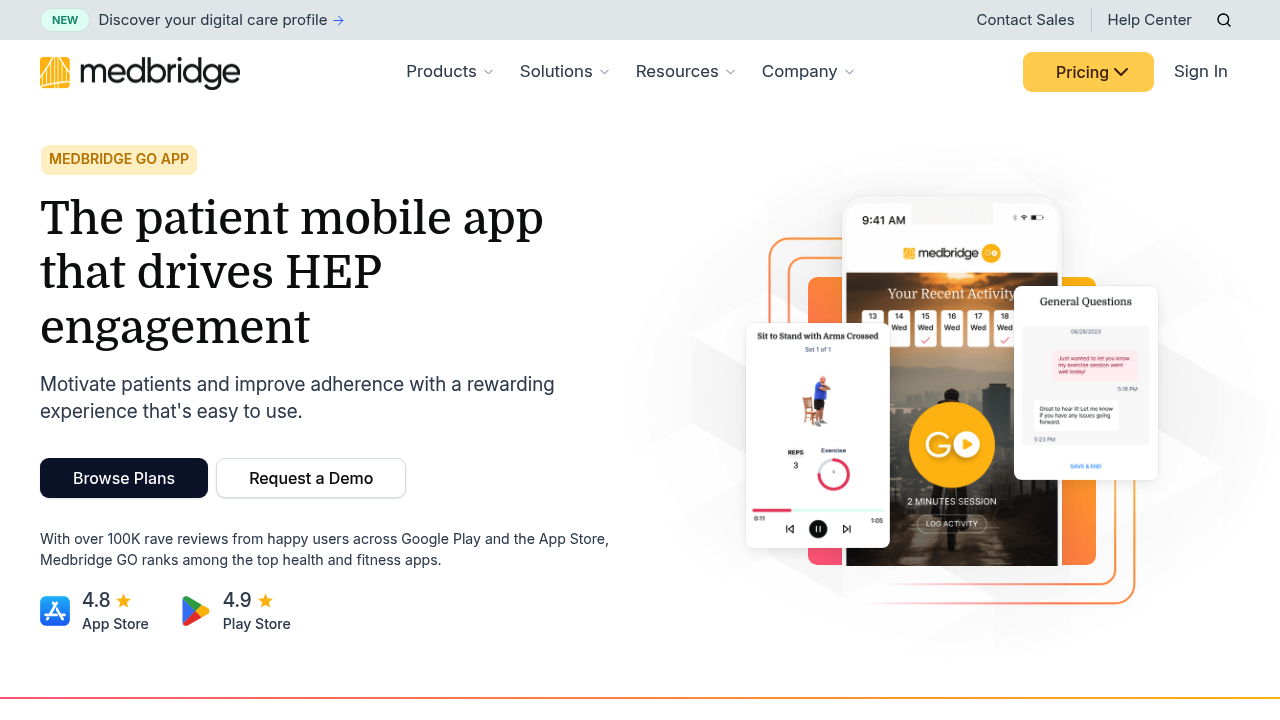
MedBridge GO is positioned as a patient app to drive HEP engagement and adherence within a broader care ecosystem.
-
Best for: Teams that want engagement features connected to a larger education and care platform.
-
Strength: Patient experience and motivation are a clear focus.
-
Watch-out: If you want to sell your own program under your own brand, white-label constraints can matter.
4. HEP2go
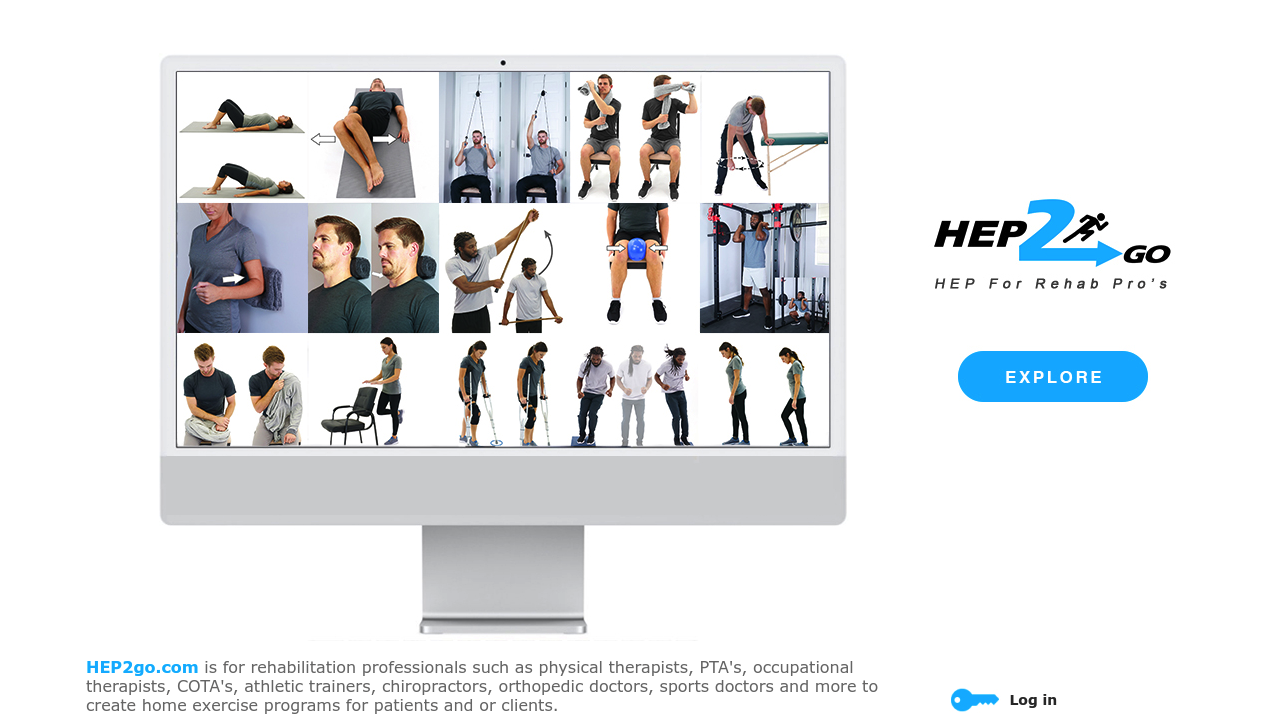
HEP2go is a simple pick when you need exercise handouts fast and want a straightforward way to share them.
-
Best for: Clinics that still rely heavily on printable programs.
-
Strength: Speed and simplicity.
-
Watch-out: If your goal is tight adherence tracking and progress dashboards, you may outgrow it.
5. PhysioTools
PhysioTools is known for exercise content and tools geared toward clinicians who prescribe and manage rehab programs.
-
Best for: Clinicians who want a robust exercise library as the core asset.
-
Strength: Content depth and clinical orientation.
-
Watch-out: As with any content-first platform, check whether your patients will use it consistently without extra habit design.
6. Kaia Health

Kaia Health is built around digital therapy programs, often oriented to MSK conditions and ongoing engagement.
-
Best for: People who need a structured, app-led program rather than a static HEP sheet.
-
Strength: Program experience and continuity.
-
Watch-out: If you need clinician-level customization per patient, confirm your control over plan design.
7. Hinge Health

Hinge Health is a well-known digital MSK care model that blends programs, coaching, and ongoing engagement.
-
Best for: Organizations running MSK programs at scale.
-
Strength: Engagement model and operational maturity.
-
Watch-out: Not a drop-in HEP app for a small clinic brand. Fit depends on how you deliver care.
8. Sword Health
Sword Health is another major digital MSK player, often centered around a structured program experience and remote support.
-
Best for: Larger implementations that want a full solution, not just an exercise library.
-
Strength: End-to-end program concept.
-
Watch-out: If your goal is launching your own niche physical therapy product, you are likely better served by building.
9. SimpleSet
SimpleSet focuses on HEP and patient education workflows for musculoskeletal care.
-
Best for: Clinics that want a clean HEP toolset and patient education materials.
-
Strength: Practical clinic workflow orientation.
-
Watch-out: If you want to add custom features like a paywall, coach messaging rules, or niche outcome tracking, a fixed platform can constrain you.
10. Rehab Guru
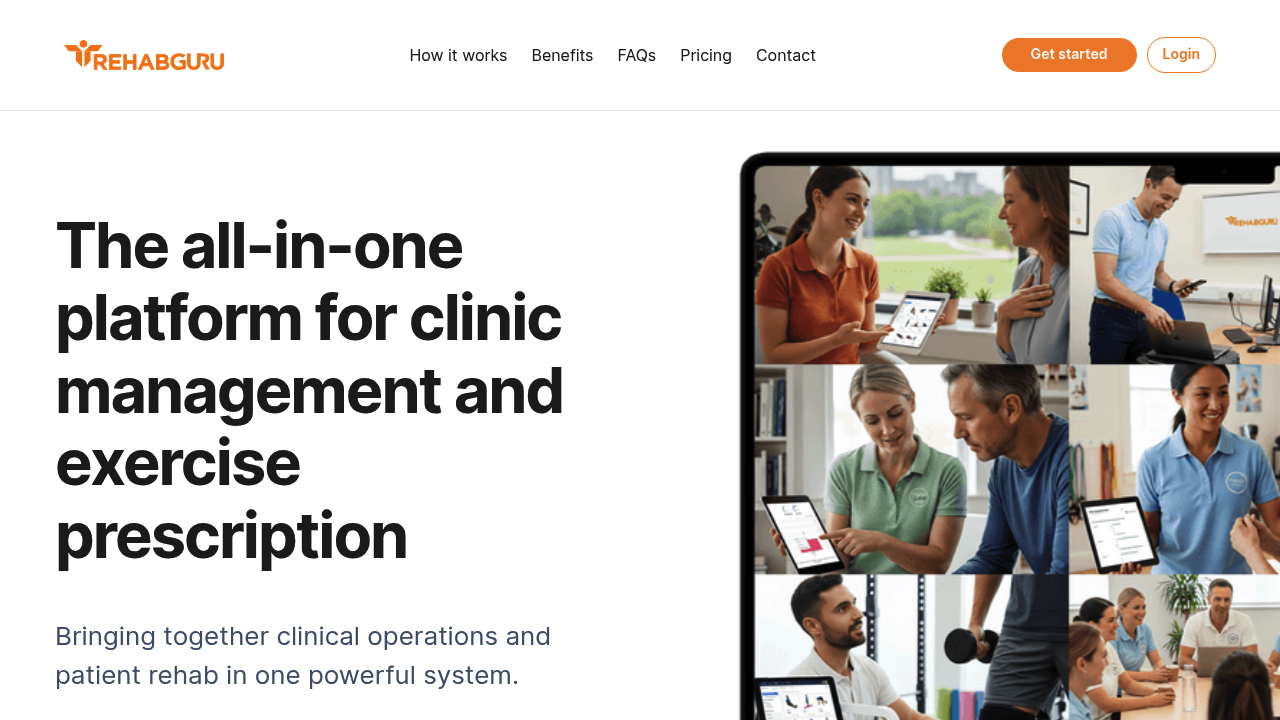
Rehab Guru is positioned around exercise prescription and rehab program management.
-
Best for: Clinicians who want a dedicated prescription platform.
-
Strength: Rehab-specific framing and tooling.
-
Watch-out: As with other HEP platforms, confirm how well the patient side drives repeat usage and reporting.
When you should build a custom physical therapy exercise app instead of buying
Buying is fine when your goal is deliver standard HEP efficiently. Building wins when your goal is own the experience and the business model.
Build if any of these are true:
-
You have a unique method: If your protocol is the product, the app must reflect your logic, not generic templates.
-
You want to sell under your brand: White-labeling and resale matters when you are productizing. Start with QuantumByte's guide to a white label app builder to map what you actually need.
-
You need workflow-specific tracking: Pain, range of motion (ROM), return-to-sport markers, readiness scores, or custom check-ins.
-
You want to scale without adding clinicians: A product can multiply your impact when it turns your best practices into a system. We covered this strategy in productization.
If you want to test the idea fast, start by creating a structured Packet and getting a working prototype. You can do that in minutes at QuantumByte.
If you are comparing DIY options, we covered no-code vs traditional development, which can help you avoid the two biggest traps: tools that cannot ship real product, and custom builds that take too long.
Implementation checklist for clinics and founders
Use this as your rollout plan so the app drives adherence, not frustration.
- Decide the job to be done: HEP delivery, virtual visits, post-op pathways, chronic pain program, or a niche product.
- Define your patient segments: Older adults, athletes, post-op, workers comp, chronic conditions. Your user experience (UX) depends on this.
- Pick your tracking signals: Adherence, pain, function, confidence, readiness, symptom irritability. Keep it minimal.
- Build or select your content system: Exercise video standards, cueing style, modifications, and contraindications.
- Design the habit loop: Reminders, weekly check-ins, and frictionless logging. Digital health tools work best when they are designed to be part of a routines.
- Plan escalation: Define when the app tells the patient to book, message, or stop and contact a clinician.
- Launch a pilot: 10 to 30 patients, two clinicians, one pathway. Fix friction before scaling.
- Turn insights into iterations: If you are building, keep the feedback loop tight. QuantumByte's success stories and articles hub is a useful place to see how operators iterate from messy workflows to working systems.
The takeaway
A physical therapy exercise app is not just a library of movements. The best options make adherence easier, create visibility for clinicians, and fit your care model.
If you want a proven, ready-made HEP flow, clinic platforms like Physitrack, MedBridge GO, and others on this list are solid.
If you want to own the brand, the workflow, and the revenue, you will usually need a custom build or a platform that can be shaped around your protocols.
Frequently Asked Questions
What is the best physical therapy exercise app?
The best choice depends on your goal. If you want a clinic-ready HEP tool, prioritize speed of prescribing, patient clarity, and basic adherence tracking. If you want to launch a branded rehab product, prioritize customization, roles, and subscriptions.
Are physical therapy exercise apps as effective as in-person care?
They can be, depending on the condition and how care is delivered. Evidence suggest telerehabilitation can be comparable to in-person rehabilitation for improving function and reducing pain in several conditions.
Do apps actually improve home exercise adherence?
They can improve adherence, especially in the short term. A systematic review found that seven of ten trials reported significantly better adherence when a digital intervention was added to home exercise programs.
What should I prioritize if I am a small clinic?
Prioritize speed of assigning HEP, patient clarity (video and cues), and simple tracking you will actually review. If you plan to productize your method, prioritize branding and monetization early.
Can I create my own physical therapy exercise app without coding?
Yes. our AI app builders let you describe workflows in plain English and generate working software. For the practical workflow, see how an AI app builder works.
Should I buy a ready-made app or build my own?
Buy if you want standard HEP delivery with minimal setup. Build if you need differentiation, custom tracking, or a subscription product under your brand.